
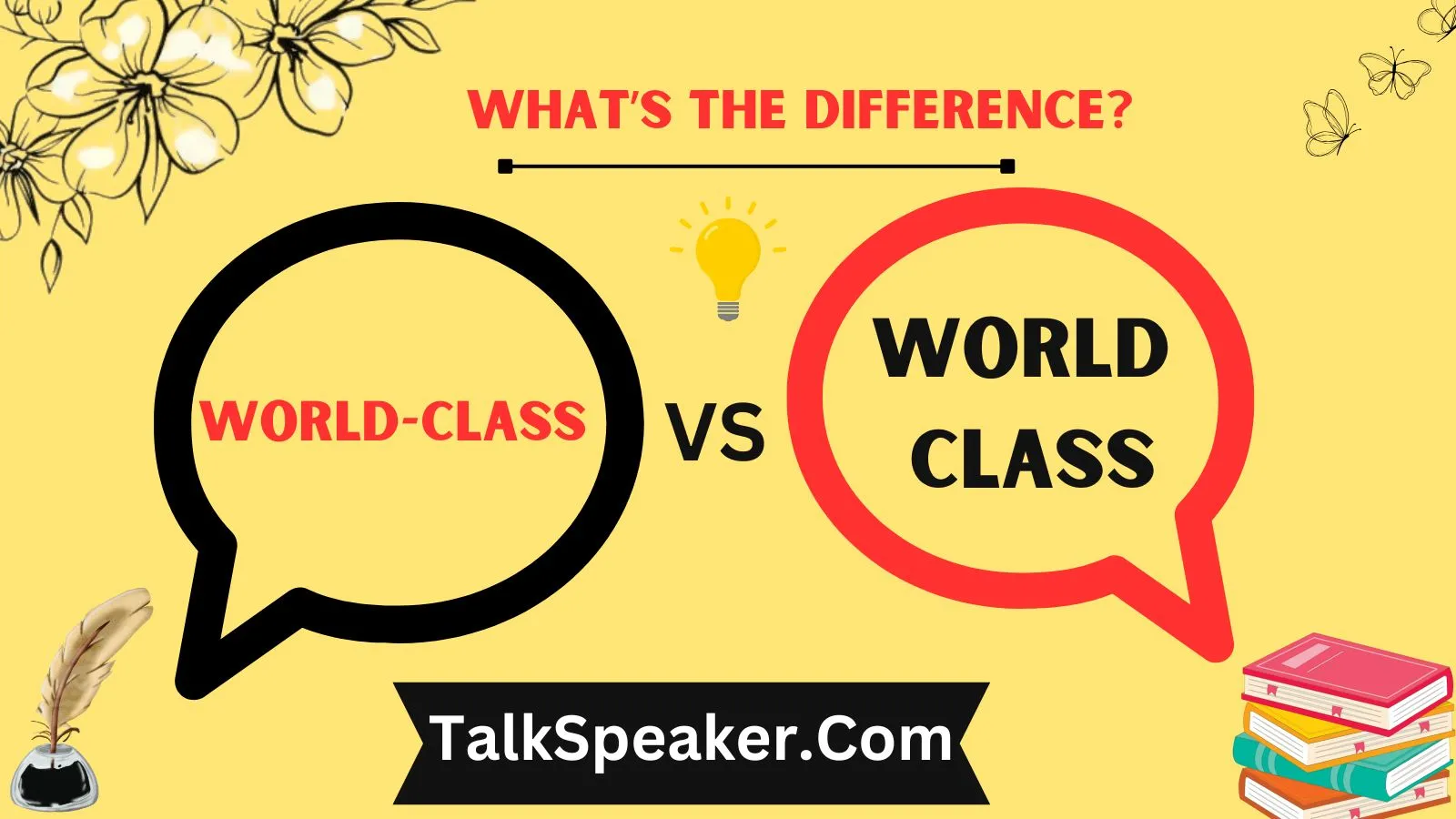
“World-class” or “World class”? Let’s Clear Confusion
Hyphenation is a crucial aspect of English grammar that often goes unnoticed but plays a significant role in ensuring clarity and precision in writing. Whether … Read More
Hyphenation is a crucial aspect of English grammar that often goes unnoticed but plays a significant role in ensuring clarity and precision in writing. Whether … Read More
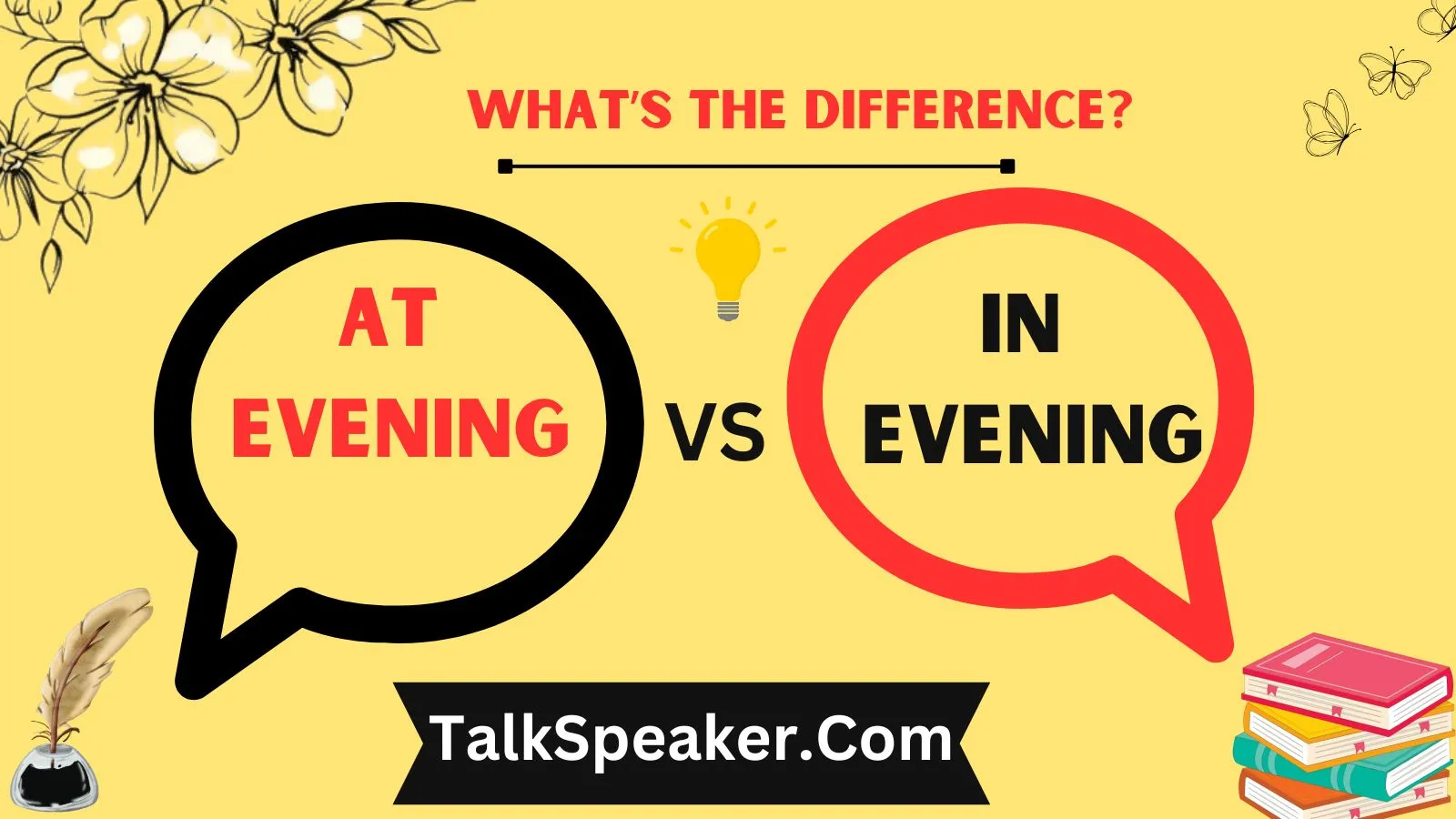
Mastering English prepositions can feel like navigating a maze. One of the most debated prepositional pairs is “at evening” versus “in the evening.” The correct … Read More
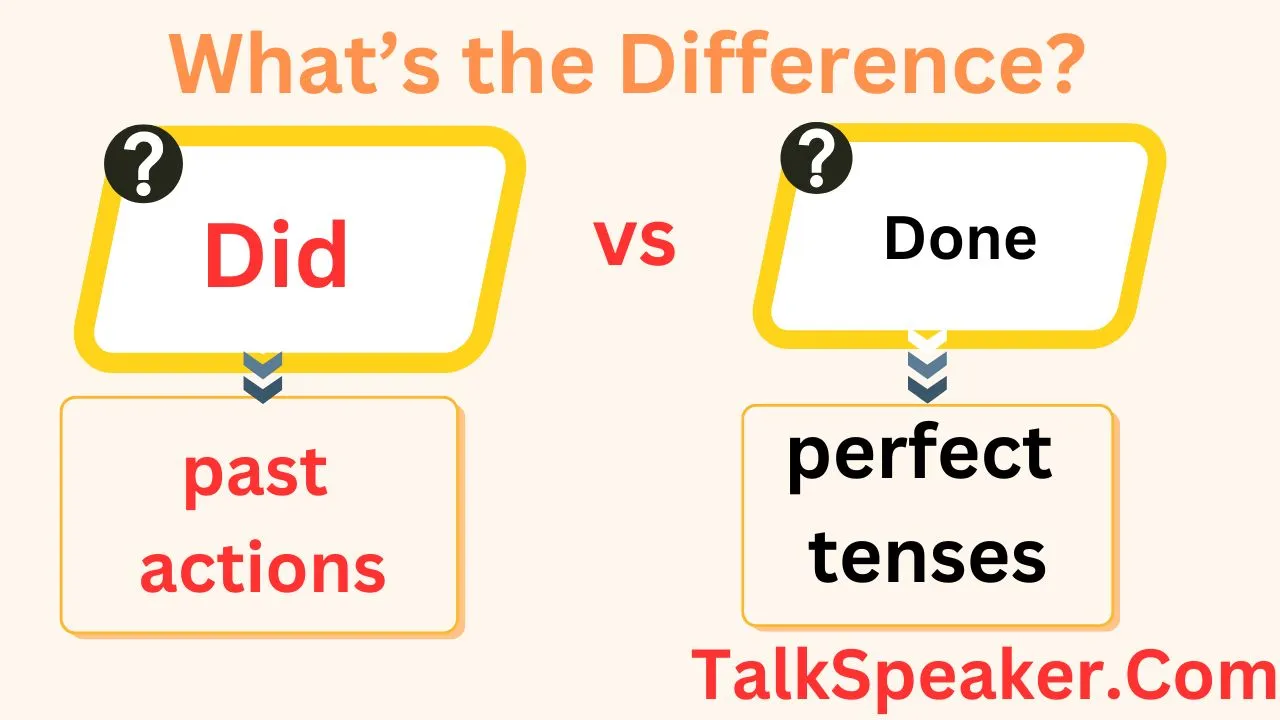
Mastering the differences between “Did” and “Done” is crucial for effective communication in English. These words often confuse learners, but understanding their functions can significantly … Read More
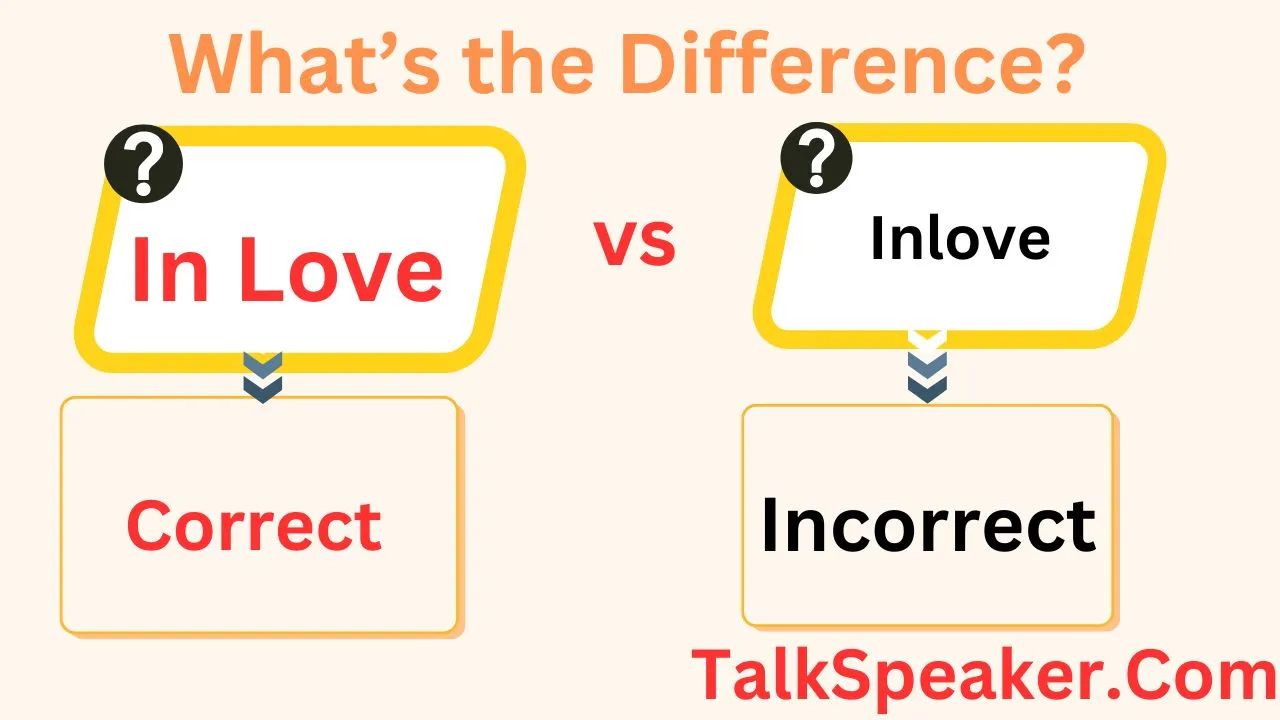
Misusing common phrases can be confusing, especially when they carry powerful meanings, like in love. Many people mistakenly use inlove, thinking it’s correct. However, grammar … Read More
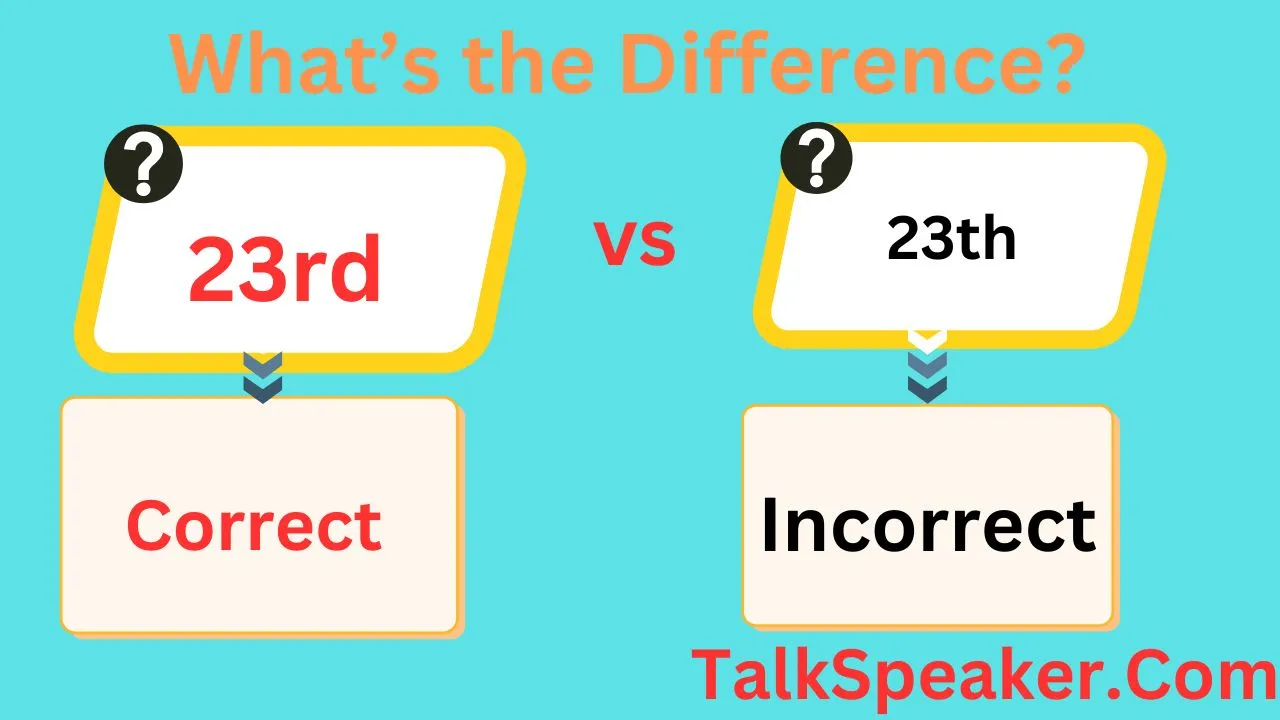
English can be tricky, especially when it comes to ordinal numbers like “23th” and “23rd.” While these terms sound similar, only one is correct. The … Read More
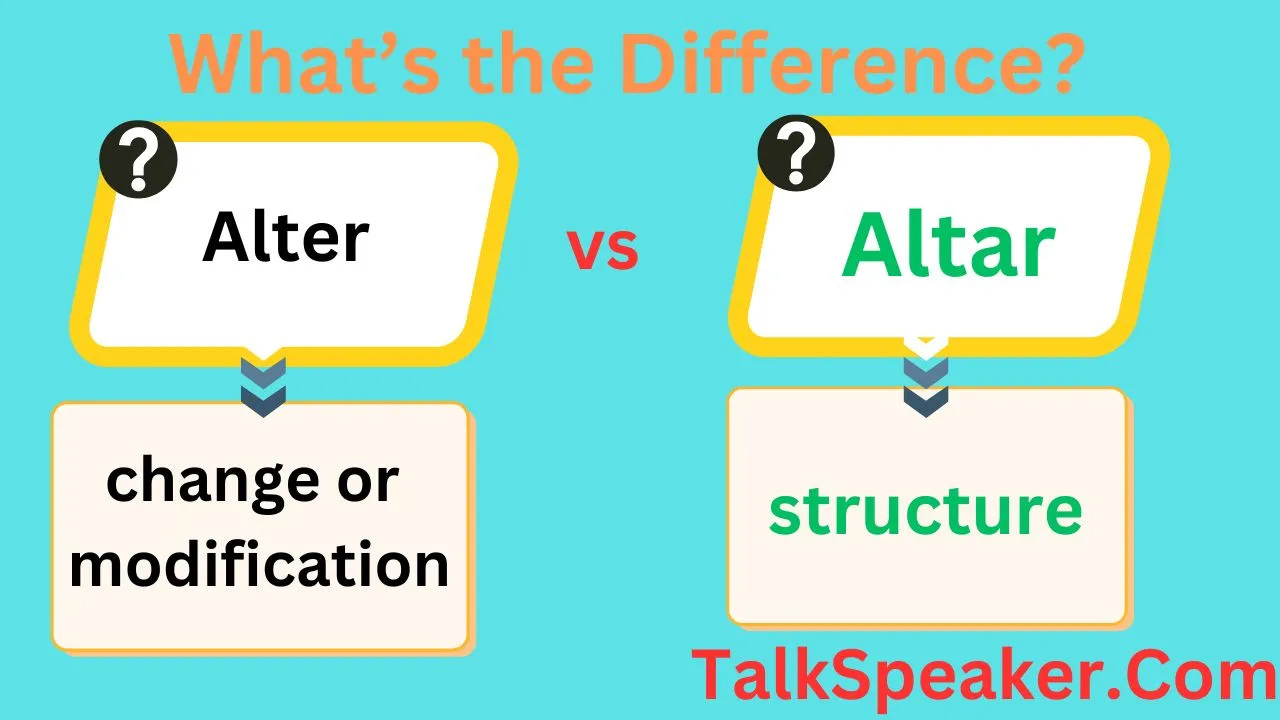
In the vast landscape of the English language, certain words often trip up even the most seasoned writers. Two such words, “alter” and “altar,” are … Read More
Understanding the difference between “anymore” and “any more” can be confusing. While they sound similar, their meanings and usages are distinct. Mastering these terms enhances … Read More
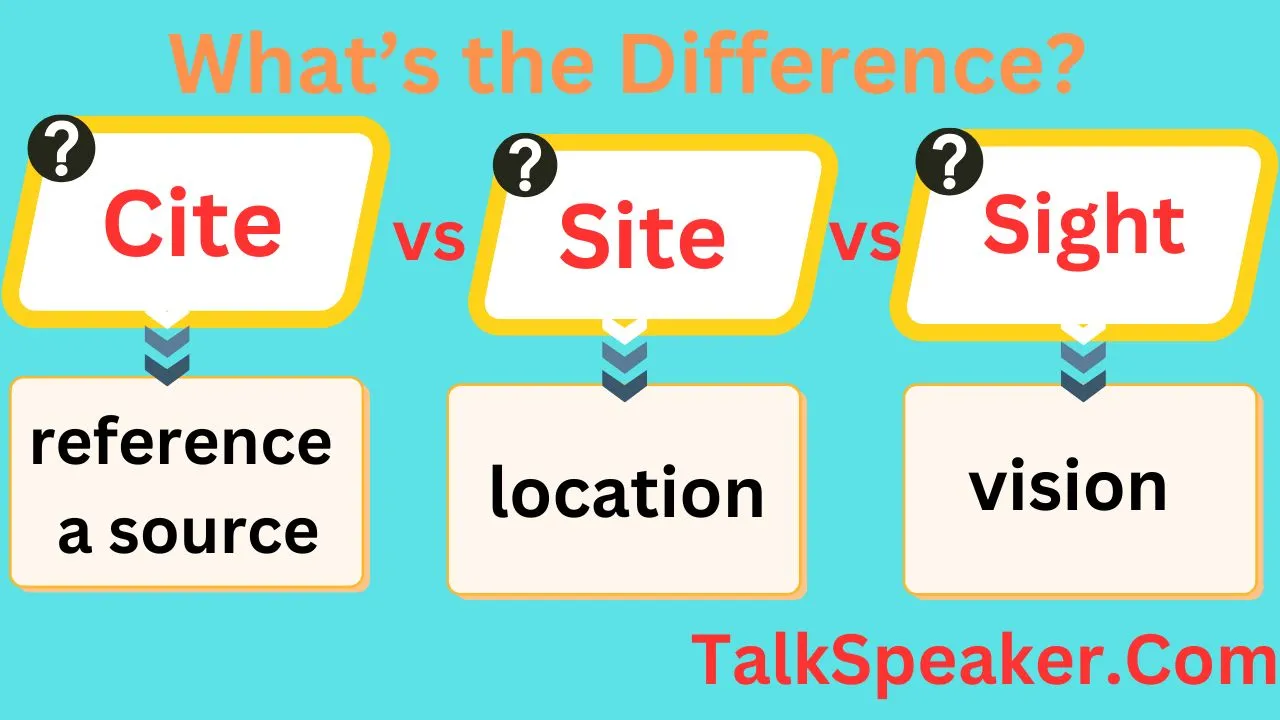
Understanding the difference between “cite,” “site,” and “sight” is crucial for clear and effective communication. These homophones sound alike but have distinct meanings and uses. … Read More
Homophones often trip up even the most seasoned writers. Among them, “rite” and “right” are two words that frequently cause confusion. “Rite” refers to a … Read More
Ever found yourself wondering why some places use “restroom,” others use “bathroom,” and some opt for “washroom“? These terms, though seemingly interchangeable, each carry their … Read More