

Sprang vs Sprung: How do they compare👍?
When it comes to mastering English grammar, some distinctions can be surprisingly tricky. One such pair is “sprang” and “sprung.” Many people use these words … Read More
When it comes to mastering English grammar, some distinctions can be surprisingly tricky. One such pair is “sprang” and “sprung.” Many people use these words … Read More

The term “Drizzle Drizzle” has become a notable element of the Soft Guy Era, capturing the attention of social media enthusiasts and cultural commentators alike. … Read More
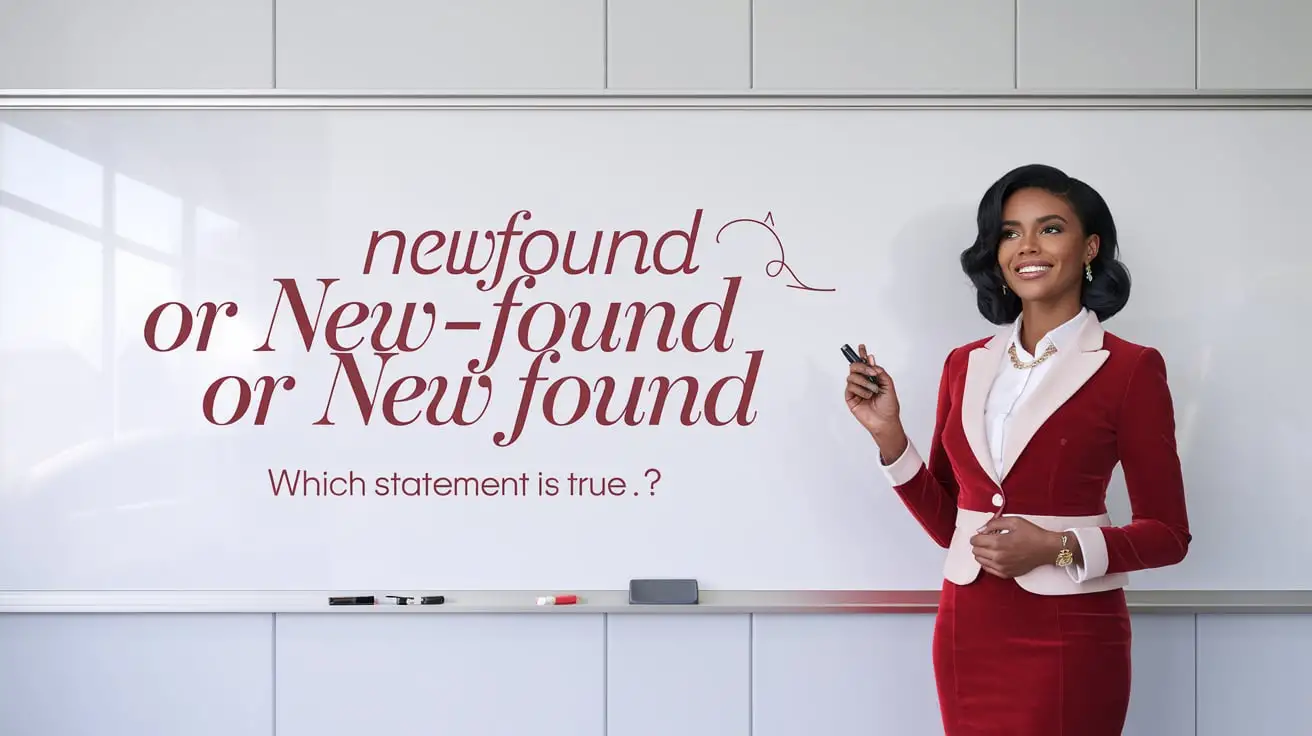
Language is a fascinating, ever-evolving tool that reflects our history, culture, and society. One intriguing aspect of language is the way it changes and adapts … Read More

Understanding whether to use “a unique” or “an unique” can be confusing, but getting it right is crucial for clear and effective communication. In this … Read More

The difference between “has run” and “has ran” often confuses many English speakers. Understanding the correct usage is crucial for clear and effective communication. The … Read More

Understanding the difference between “shown” and “showed” can be confusing, especially since both forms come from the irregular verb “show.” This blog post will clear … Read More

The confusion between “have come,” “have came,” and “came” is a common pitfall in English grammar. It’s crucial to understand these verb forms to ensure … Read More

Understanding the difference between “lended” and “lent” can be a bit tricky for many English speakers. Both terms are related to the act of giving … Read More

In today’s digital and literary landscapes, the terms “imbed” and “embed” often create confusion. Although they may seem interchangeable, understanding their distinct meanings and proper … Read More

When it comes to precise writing, clarity is crucial. One common area where people often stumble is the correct usage of “timeslot” versus “time slot.” … Read More