

“Did You Have” vs. “Did You Had”?. Pick Correct One.
English can be a tricky language, especially when it comes to understanding past tense questions. A common area of confusion involves the correct use of … Read More
English can be a tricky language, especially when it comes to understanding past tense questions. A common area of confusion involves the correct use of … Read More

Colors have fascinated and influenced human culture for centuries. Among the vast spectrum of hues, Indigo v Violet, and purple often come up in discussions … Read More

English grammar can sometimes be tricky, especially when it comes to possessive forms. One common question that arises is whether phrases like “and I’s” are … Read More

Understanding the nuances of language is vital for effective communication. One common area of confusion is the difference between the verbs “agreed” and “agree.” Though … Read More
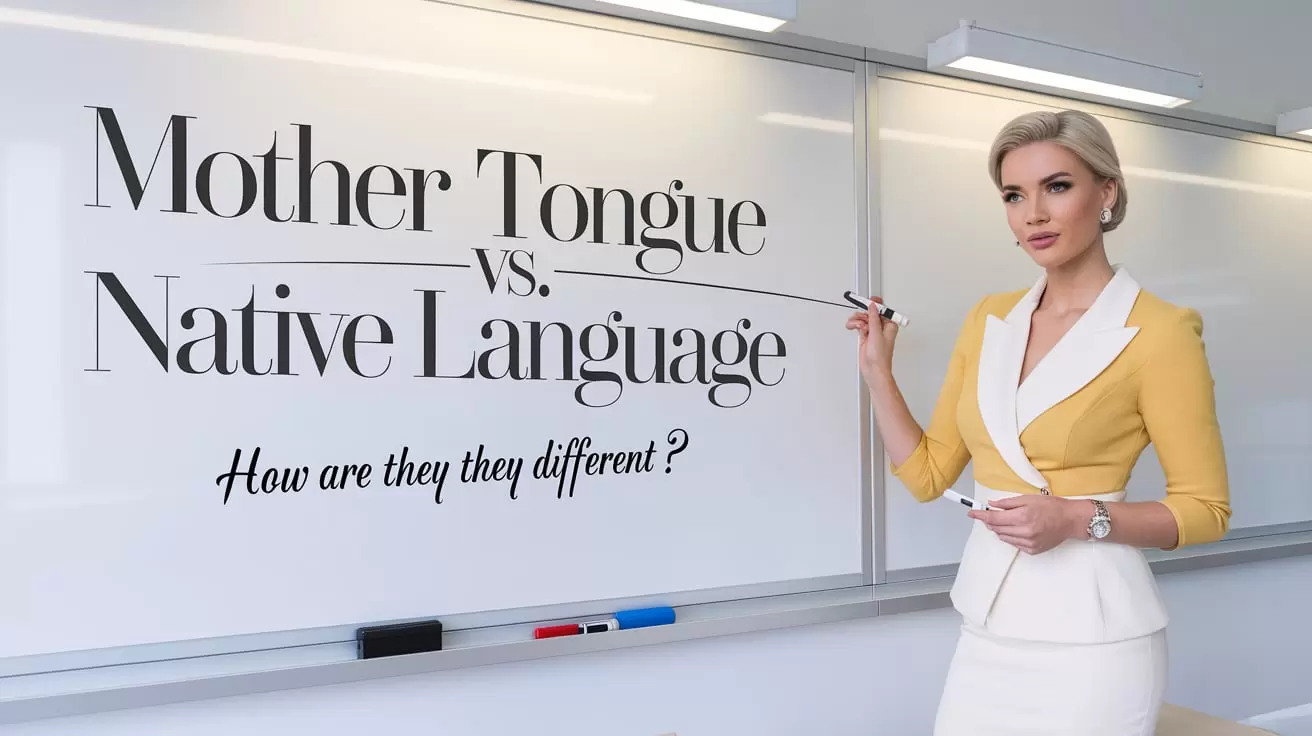
Understanding the difference between “mother tongue” and “native language” is crucial for appreciating the nuances of language and identity. These terms are often used interchangeably, … Read More

When it comes to writing clear and professional instructions, the prepositions “on” and “for” play a crucial role in conveying precise meaning. Choosing the right … Read More

Understanding the correct usage of hyphens, especially with prefixes like “reevaluation-,” is crucial for clarity in writing. Hyphens help to avoid ambiguity and ensure that … Read More

When it comes to home maintenance and construction, the terms “window seal” and “window sill” are often used interchangeably, leading to confusion. However, each term … Read More

Prepositions often pose challenges in English, particularly when nuances in meaning can subtly alter the clarity of communication. Two commonly confused prepositions are “insights on” … Read More

In our increasingly digital world, precision in language is more crucial than ever. One common source of confusion involves the terms “unselect” and “deselect.” This … Read More