
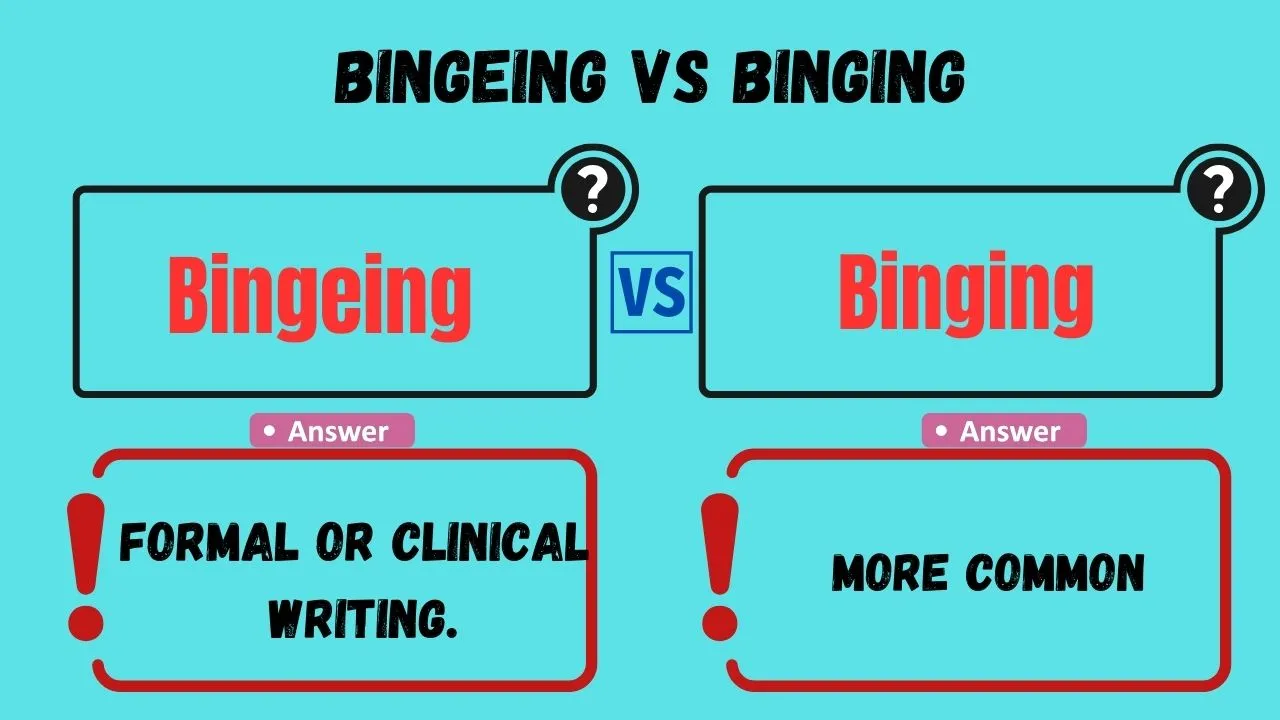
Bingeing vs Binging: What’s Right for Your Writing?
When it comes to writing and communication, understanding the subtle differences between terms can make a big impact. One such debate is between “bingeing” and … Read More
When it comes to writing and communication, understanding the subtle differences between terms can make a big impact. One such debate is between “bingeing” and … Read More
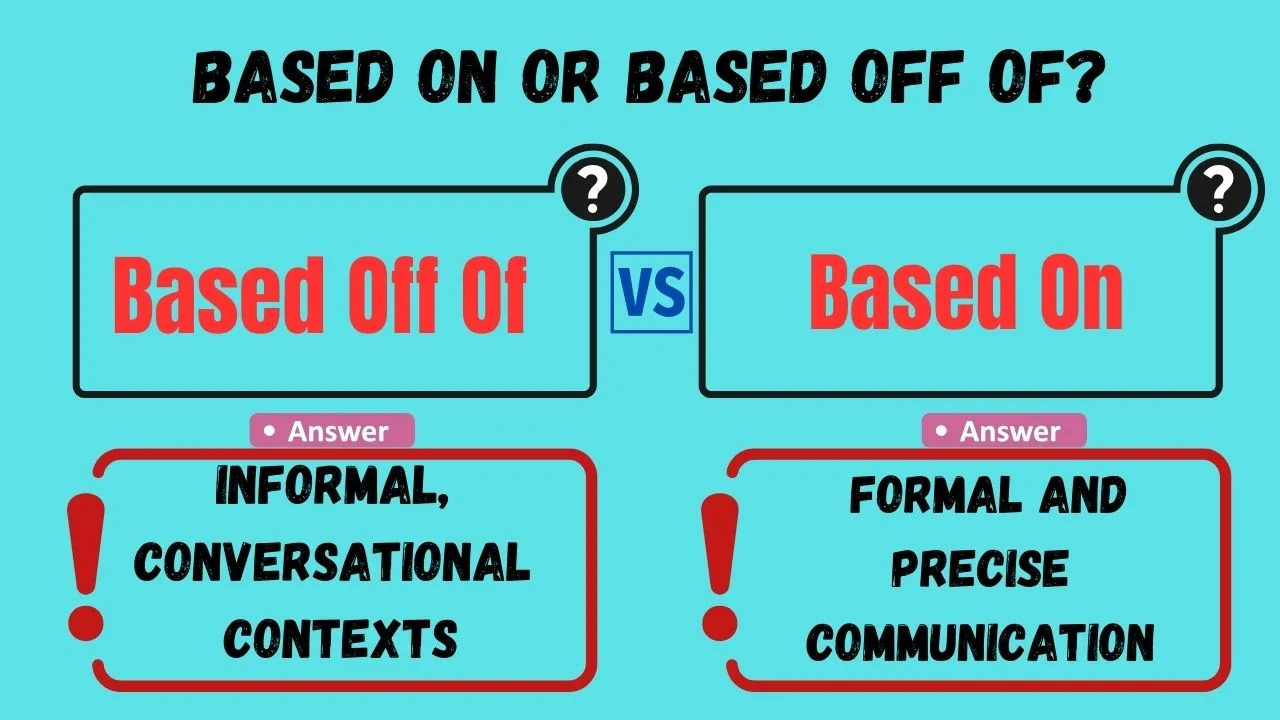
Language evolves over time, and with it, the phrases we use can shift in meaning and popularity. One such example is the debate between “based … Read More
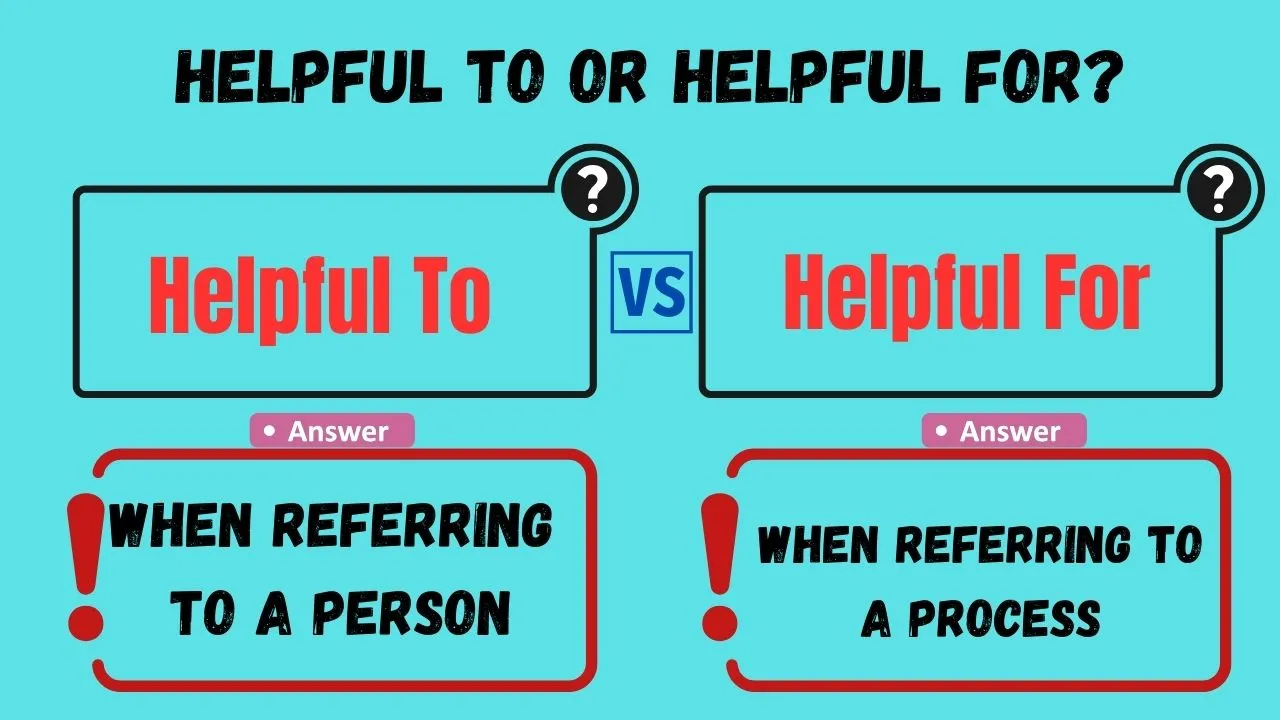
Prepositions are small but mighty words in the English language. They play a crucial role in connecting ideas and providing clarity in communication. Among the … Read More
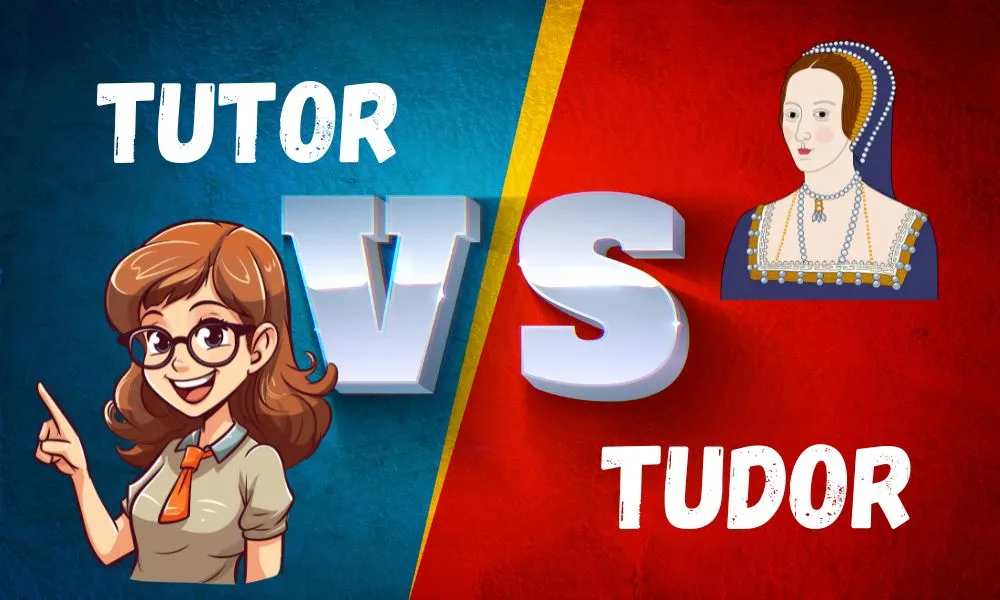
Homophones are words that sound the same but have different meanings and often different spellings. They can be tricky, especially when you’re trying to use … Read More
When it comes to professional communication, the choice between “at the office” and “in the office” may seem trivial, but it can significantly impact clarity … Read More
Language is full of subtle nuances that can shape how we communicate. Two terms that often get mixed up are “braggart” and “bragger.” Although they … Read More
The distinction between “didn’t had” and “didn’t have” might seem trivial, but using the wrong form can affect the clarity of your communication. “Didn’t have” … Read More
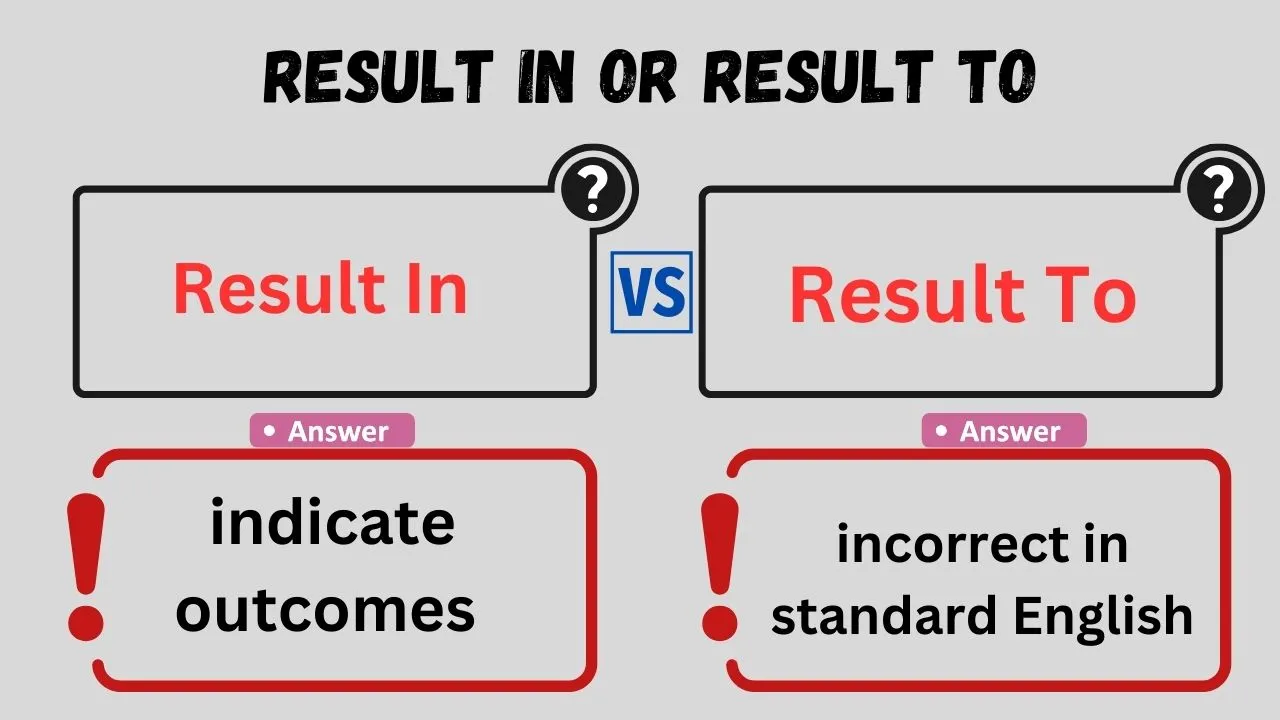
Understanding the nuances of prepositions in English can be tricky, especially when it comes to phrases like “result in” and “result to.” Using the correct … Read More
English spelling can sometimes be perplexing, especially when similar words have different conventions depending on the region. A common area of confusion is the difference … Read More
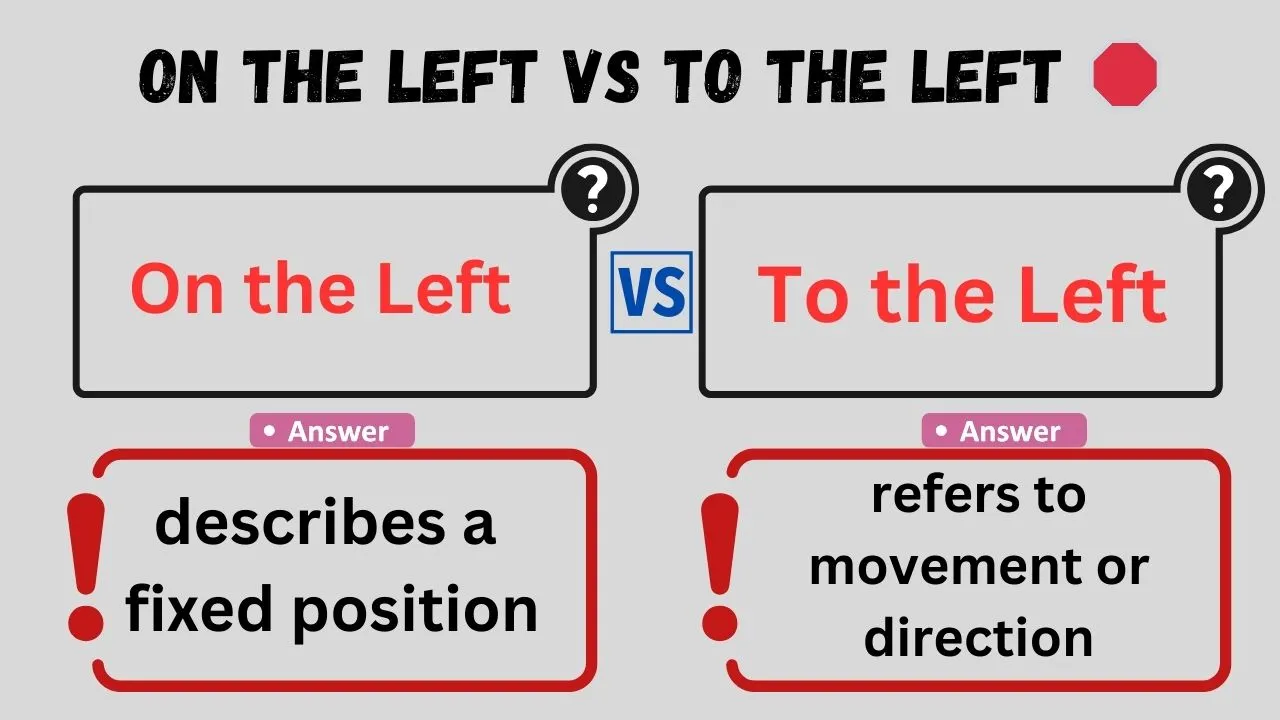
Navigating language nuances can be as tricky as finding your way on a map. The phrases “on the left” and “to the left” might seem … Read More