
You All vs All Of You: Which Is Right?
When it comes to addressing a group of people in English, choosing between “you all” and “all of you” can be more complex than it … Read More
When it comes to addressing a group of people in English, choosing between “you all” and “all of you” can be more complex than it … Read More
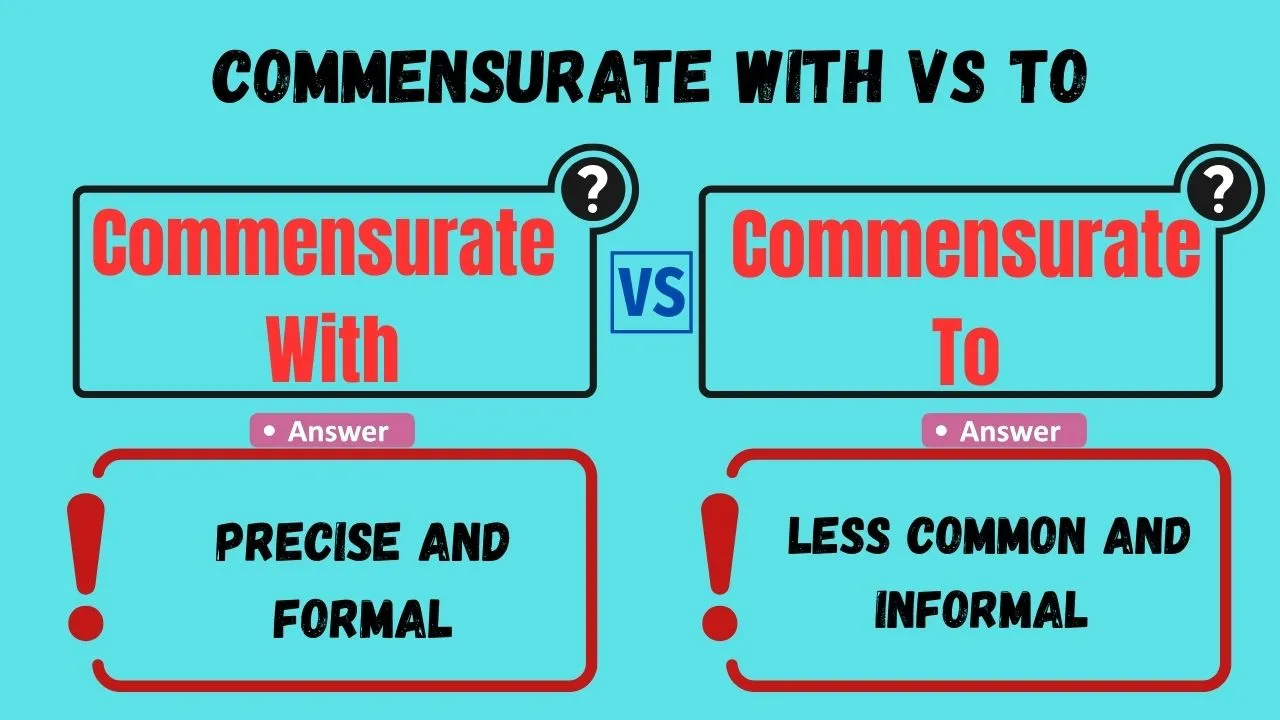
In English, prepositions often trip up even the most seasoned writers. The preposition “commensurate” is one such example, frequently paired with “with” or “to,” leading … Read More
When it comes to managing our resources and protecting our environment, the terms “conserve” and “preserve” often come up. Though they might seem similar, they … Read More
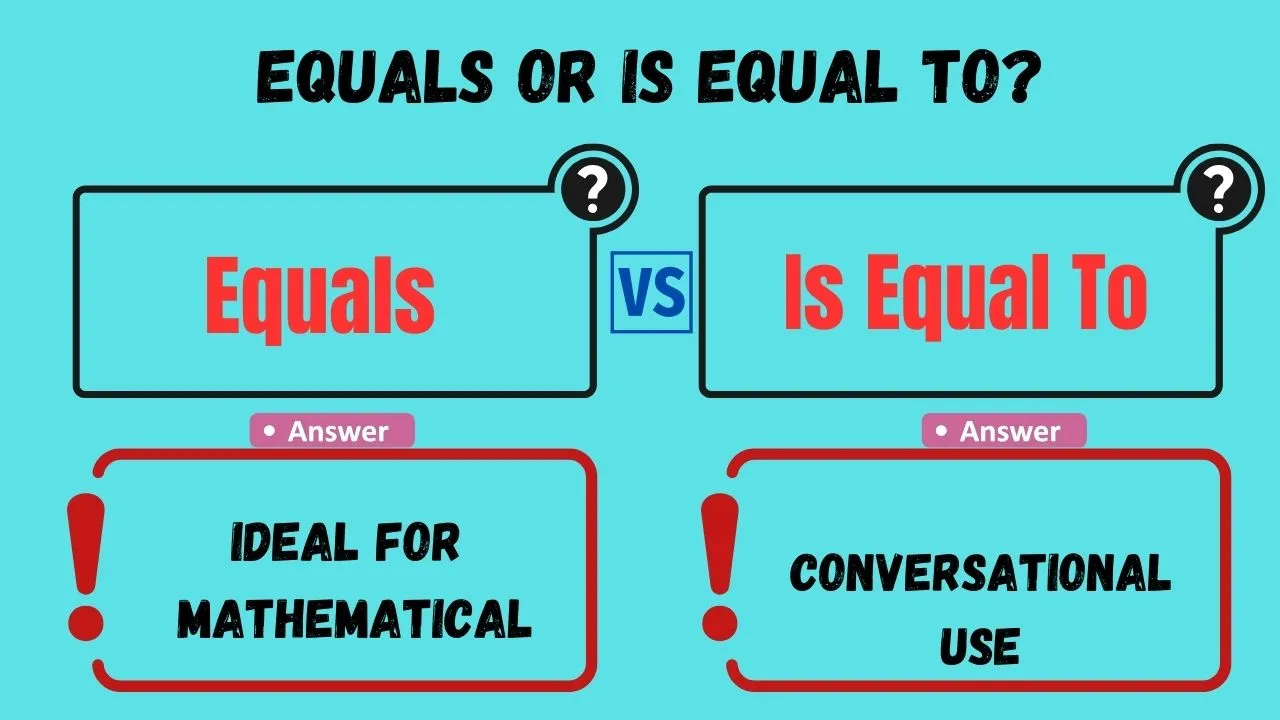
When navigating the complexities of English, some phrases can cause confusion, especially when they appear to be synonymous. One such pair is “is equal to” … Read More
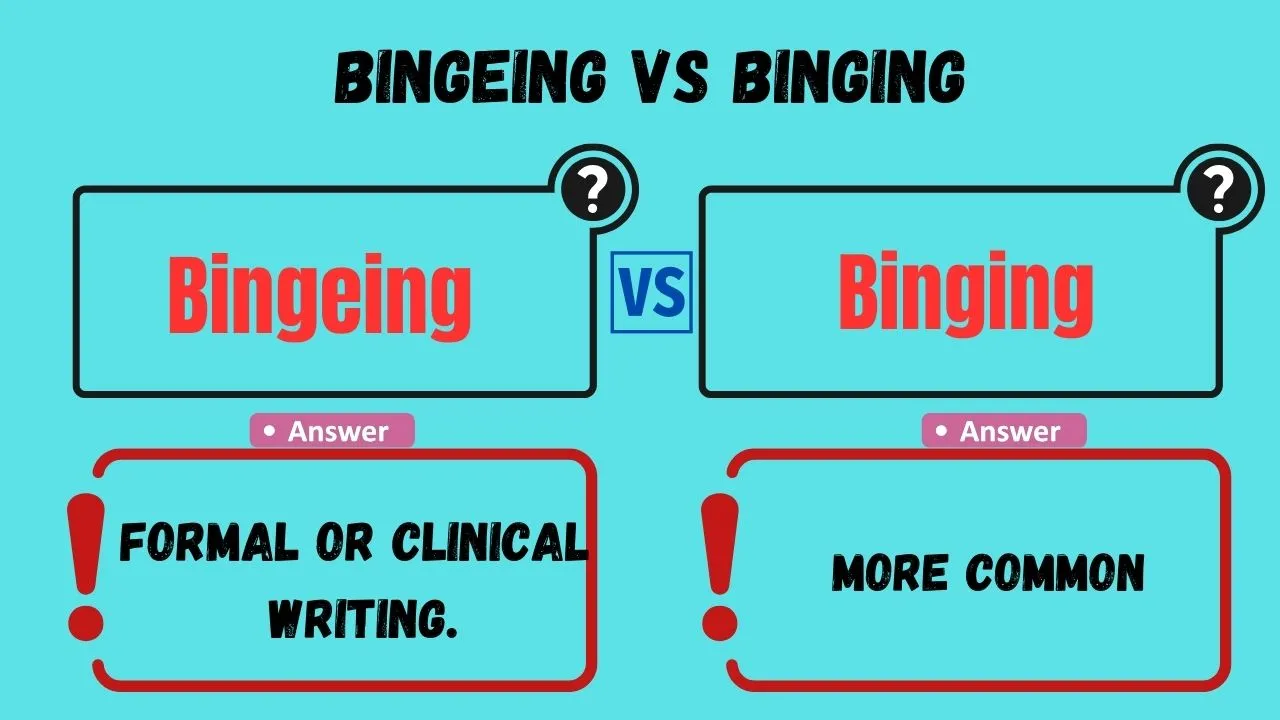
When it comes to writing and communication, understanding the subtle differences between terms can make a big impact. One such debate is between “bingeing” and … Read More
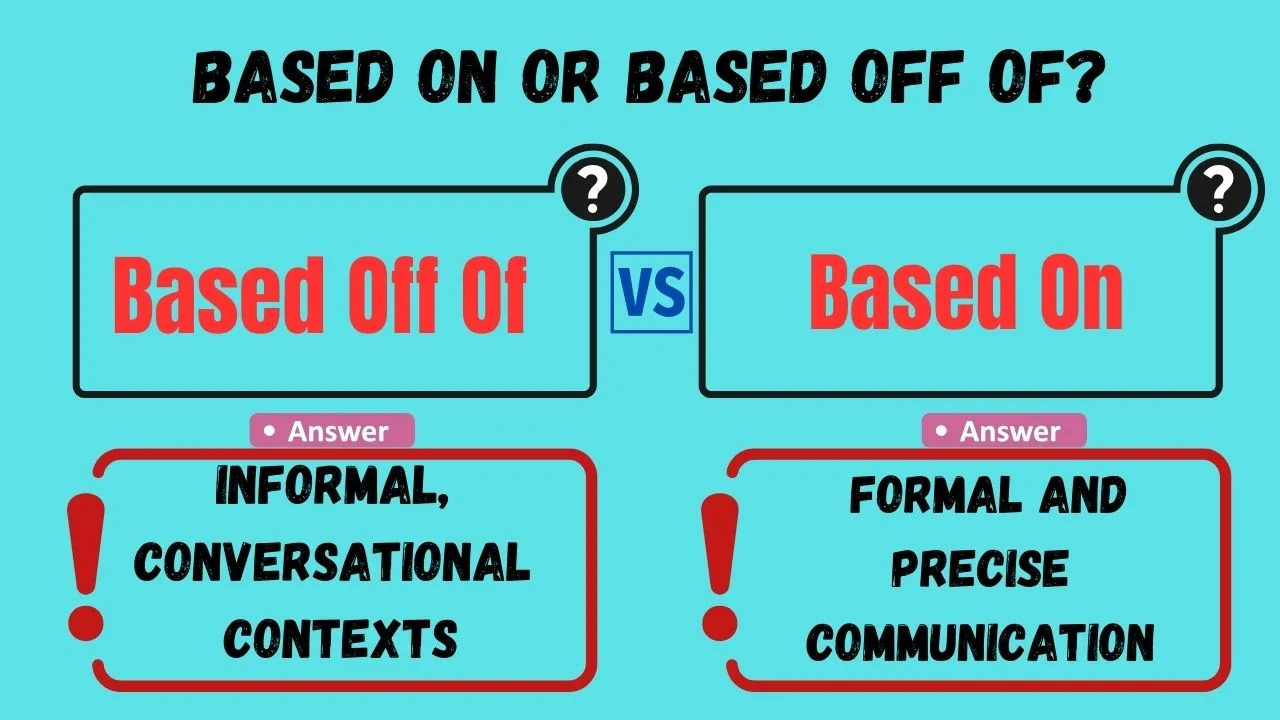
Language evolves over time, and with it, the phrases we use can shift in meaning and popularity. One such example is the debate between “based … Read More
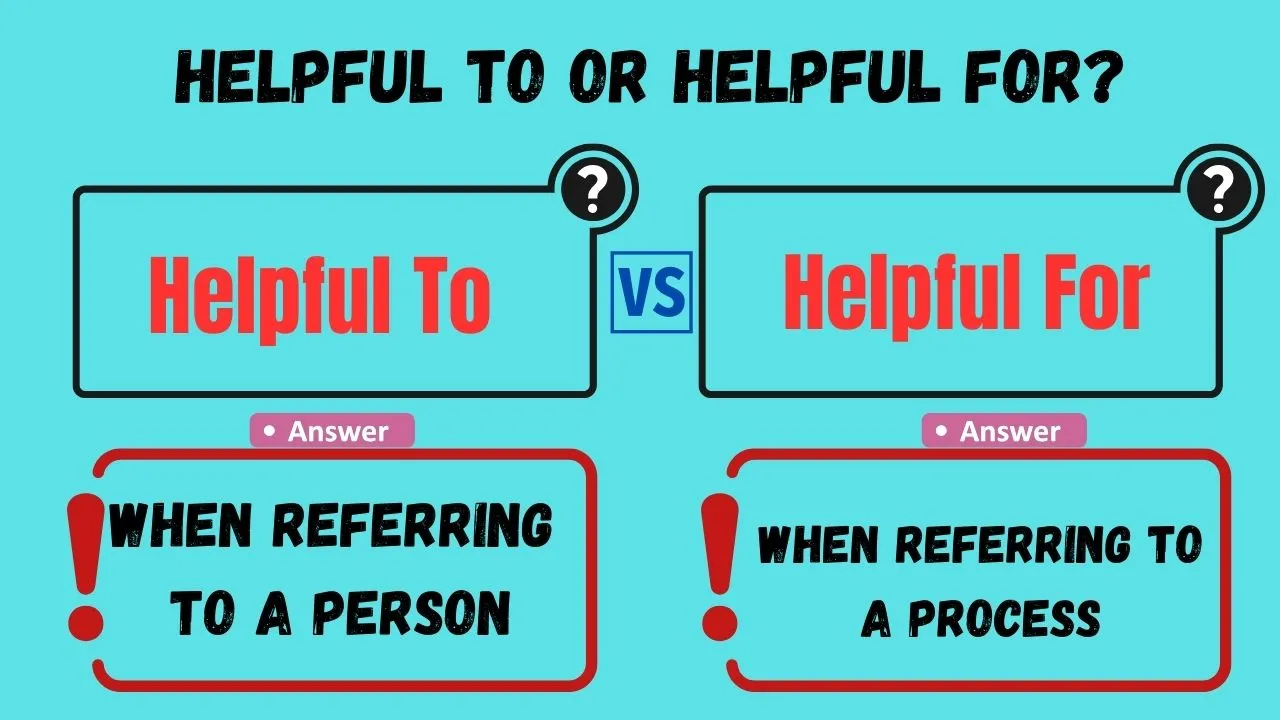
Prepositions are small but mighty words in the English language. They play a crucial role in connecting ideas and providing clarity in communication. Among the … Read More

Homophones are words that sound the same but have different meanings and often different spellings. They can be tricky, especially when you’re trying to use … Read More
When it comes to professional communication, the choice between “at the office” and “in the office” may seem trivial, but it can significantly impact clarity … Read More
Language is full of subtle nuances that can shape how we communicate. Two terms that often get mixed up are “braggart” and “bragger.” Although they … Read More