
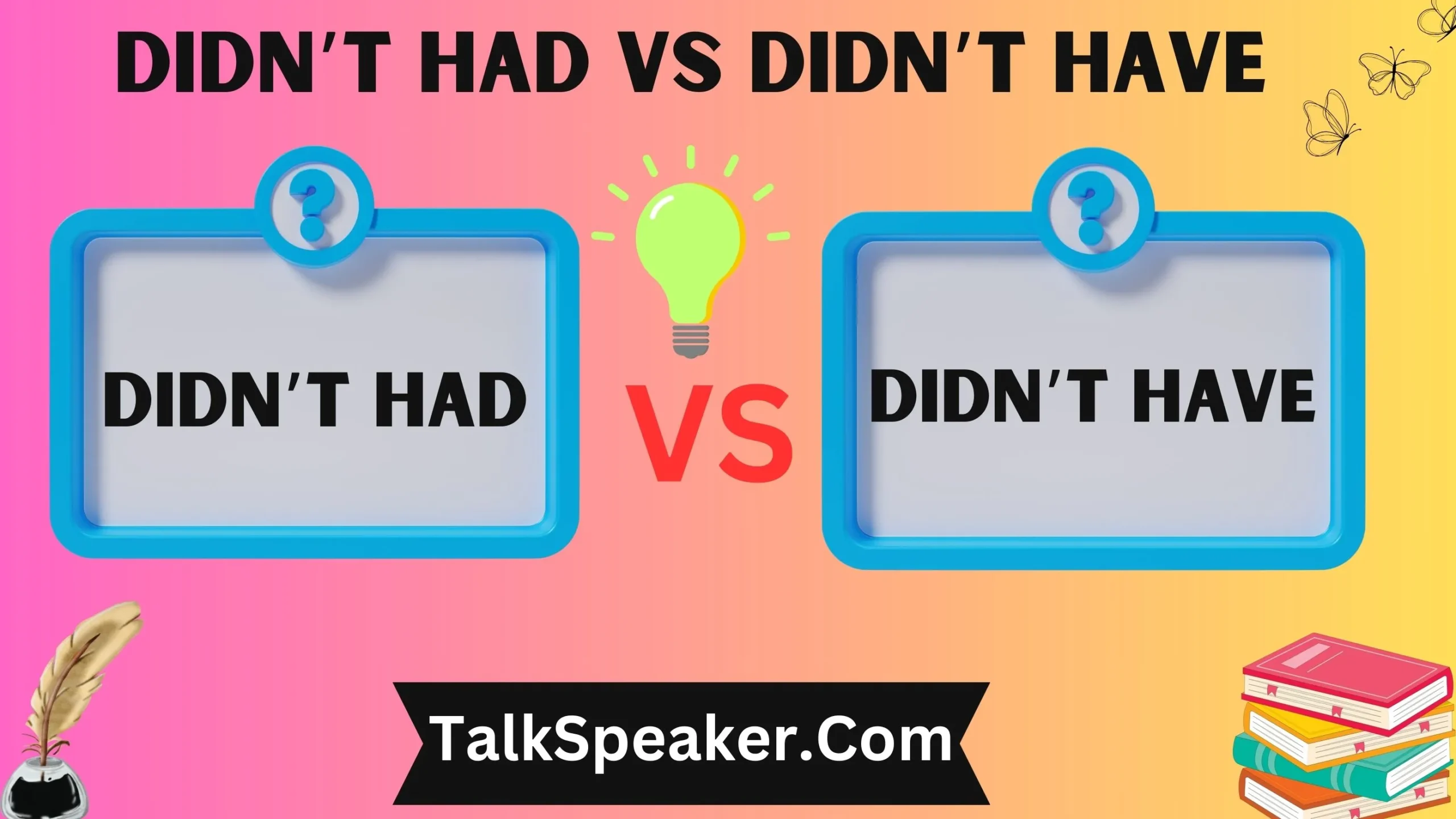
🚫 Didn’t Had Vs Didn’t Have: Stop Making This Common Mistake!
The distinction between “didn’t had” and “didn’t have” might seem trivial, but using the wrong form can affect the clarity of your communication. “Didn’t have” … Read More
The distinction between “didn’t had” and “didn’t have” might seem trivial, but using the wrong form can affect the clarity of your communication. “Didn’t have” … Read More
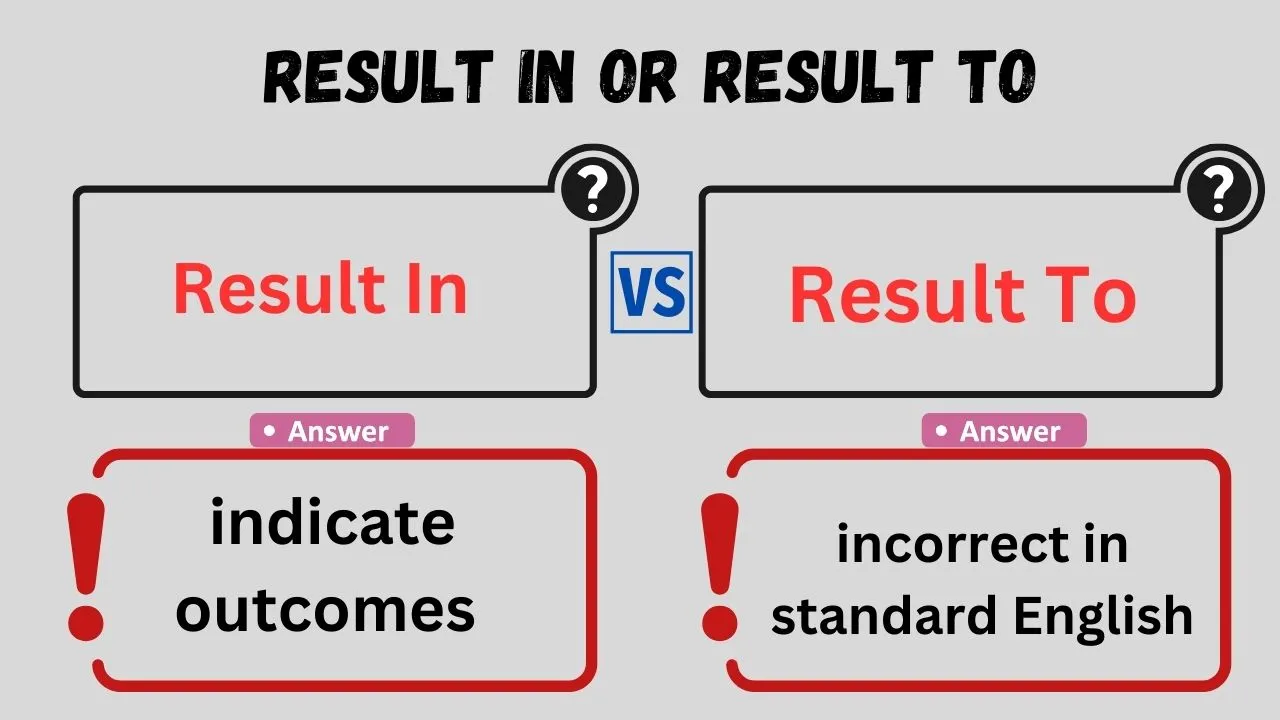
Understanding the nuances of prepositions in English can be tricky, especially when it comes to phrases like “result in” and “result to.” Using the correct … Read More
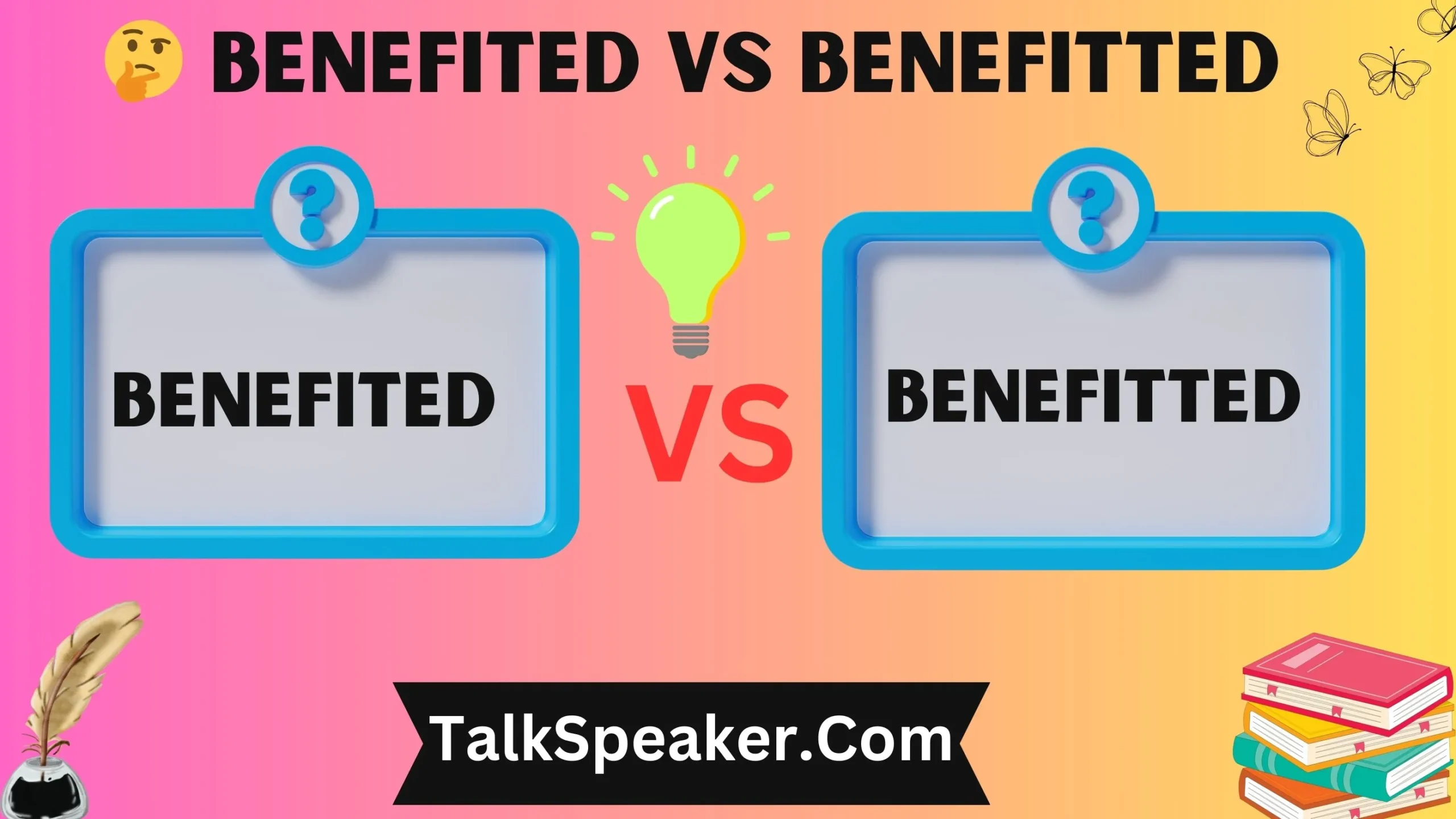
English spelling can sometimes be perplexing, especially when similar words have different conventions depending on the region. A common area of confusion is the difference … Read More
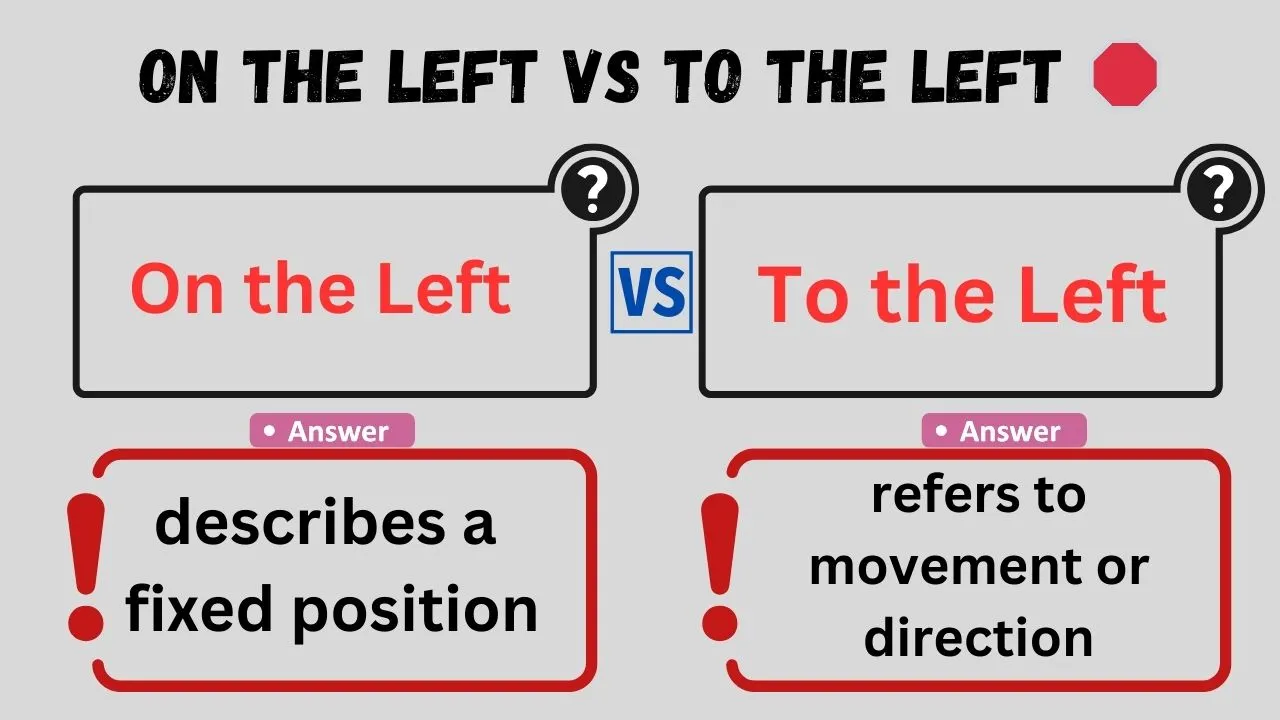
Navigating language nuances can be as tricky as finding your way on a map. The phrases “on the left” and “to the left” might seem … Read More
The choice between “He and I” and “He and Me” can be puzzling. Understanding when to use each phrase can elevate your writing and speaking, … Read More
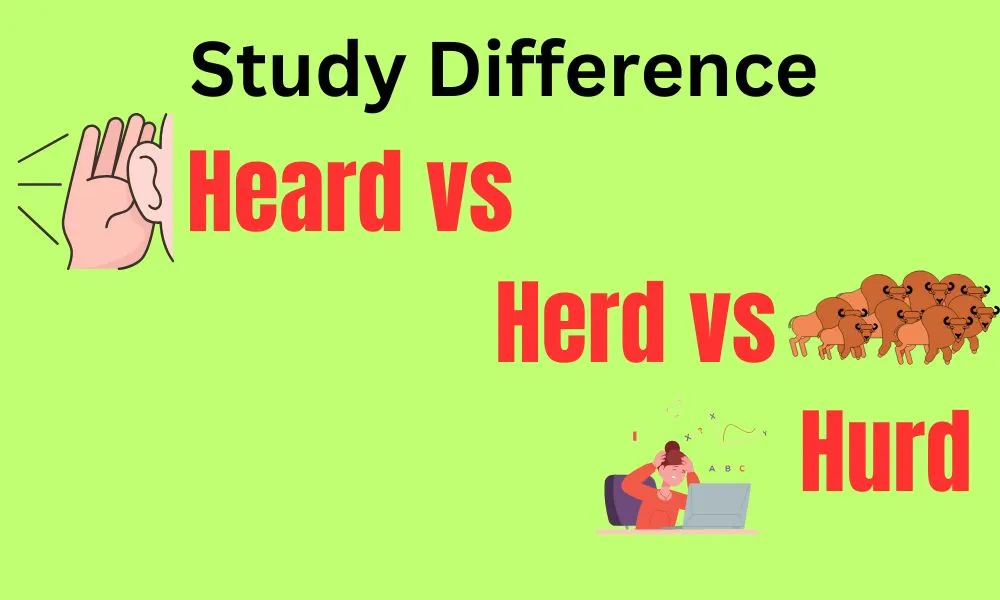
Understanding homophones is crucial for clear and accurate writing. Confusing words like “Heard,” “Herd,” and “Hurd” can lead to misunderstandings and mistakes. “Heard” is the … Read More
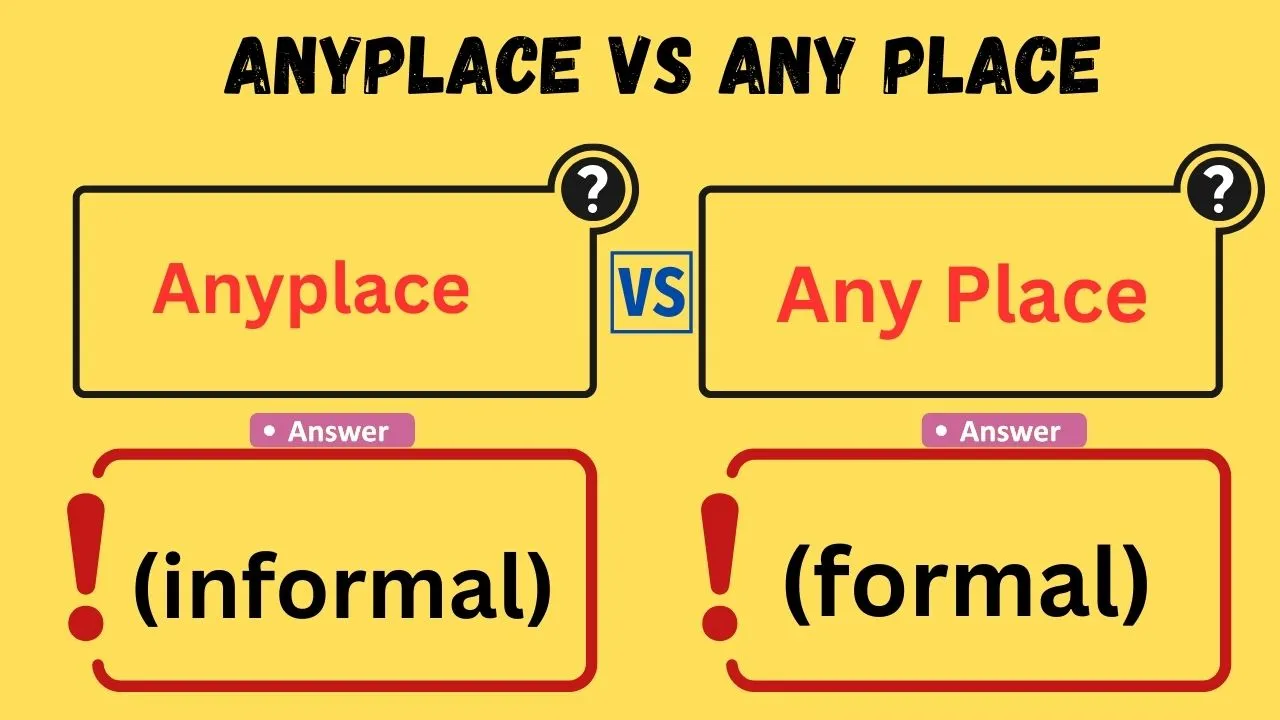
Understanding the distinction between “anyplace” and “any place” is crucial for clear and precise communication. Though they might seem interchangeable at first glance, each term … Read More
Navigating the English language can sometimes be tricky, especially when it comes to phrases like “either side” and “both sides.” Though these terms might seem … Read More
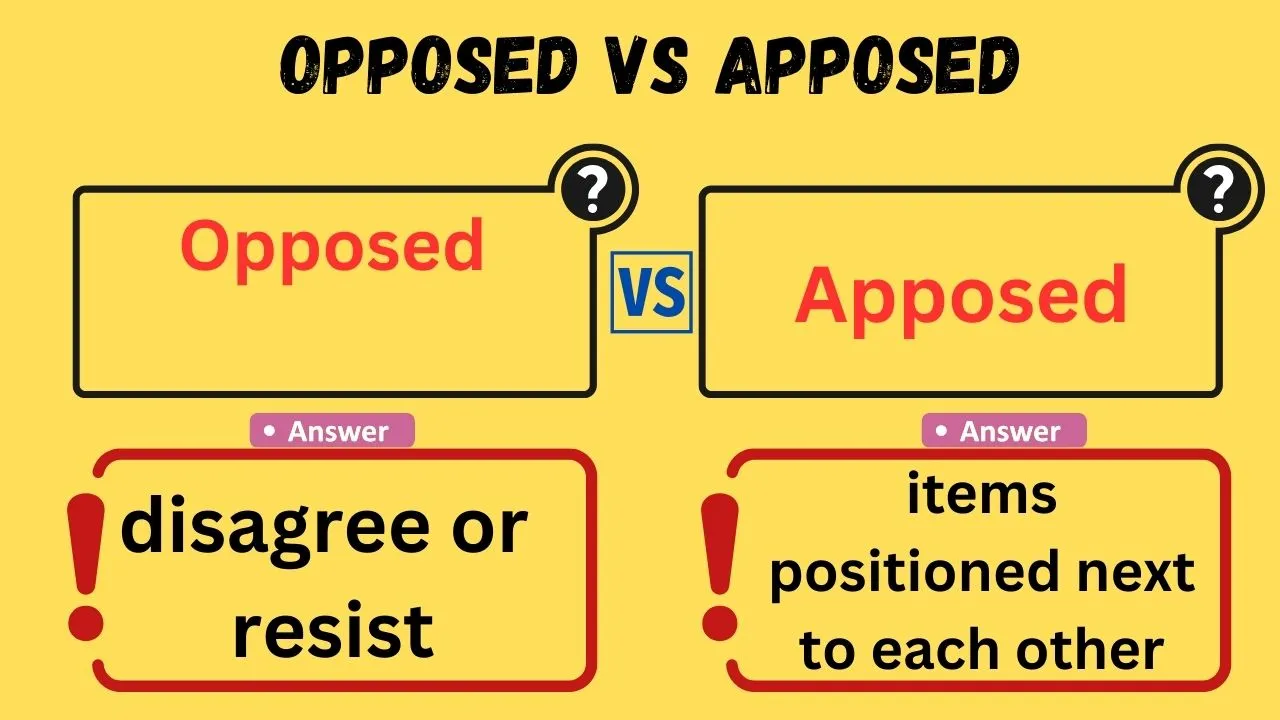
The terms “apposed” and “opposed” often cause confusion due to their similar sounds and overlapping uses in language. However, understanding their distinct meanings and correct … Read More
Understanding the nuances of English articles can significantly enhance your communication skills. This blog post will delve into the correct usage of the phrases “Go … Read More