
Is It Naught or Nought? 🧐 Clear Up the Confusion!
The English language is rich with words that often perplex even the most seasoned writers. Among these are the terms “naught” and “nought.” Though they … Read More
The English language is rich with words that often perplex even the most seasoned writers. Among these are the terms “naught” and “nought.” Though they … Read More
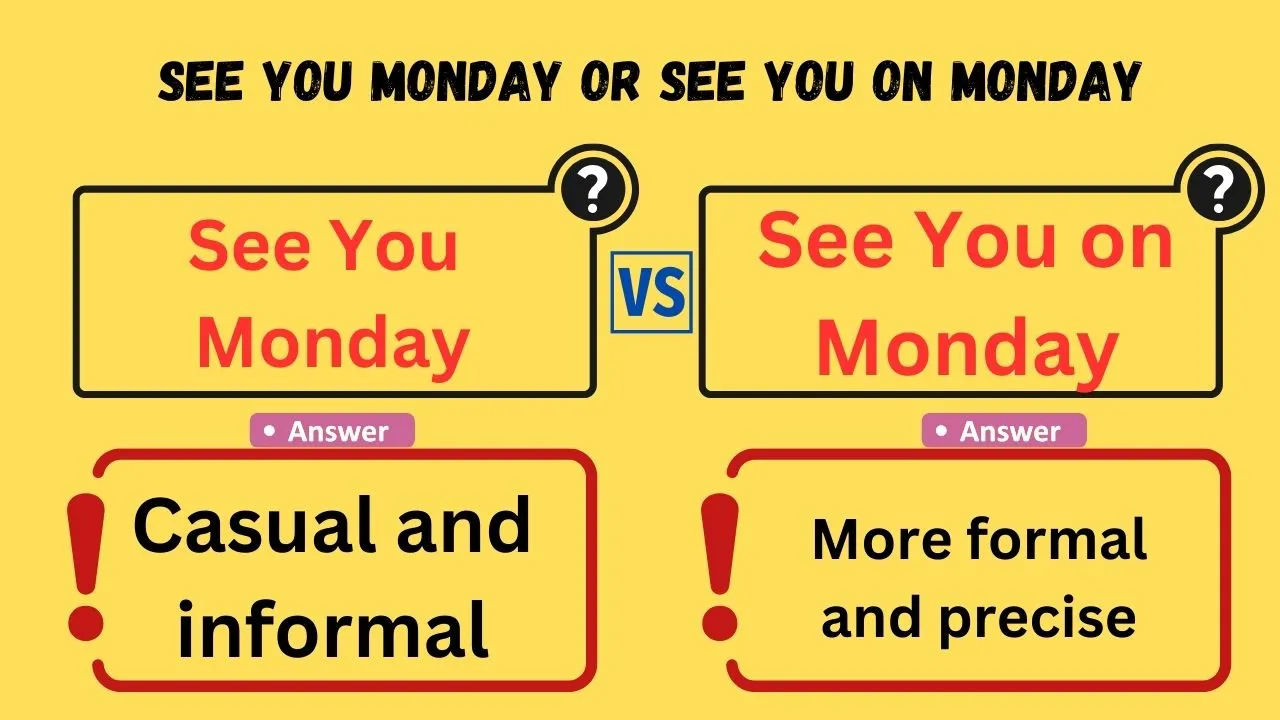
When it comes to saying goodbye, a seemingly simple phrase like “See you Monday” can sometimes leave us puzzled. Is there a difference between “See … Read More
Effective communication often hinges on the precise use of language. Words and phrases that seem similar at first glance can carry subtle differences that impact … Read More
When it comes to the English language, it’s easy to mix up words that sound similar but have completely different meanings. “Stint” and “stent” are … Read More
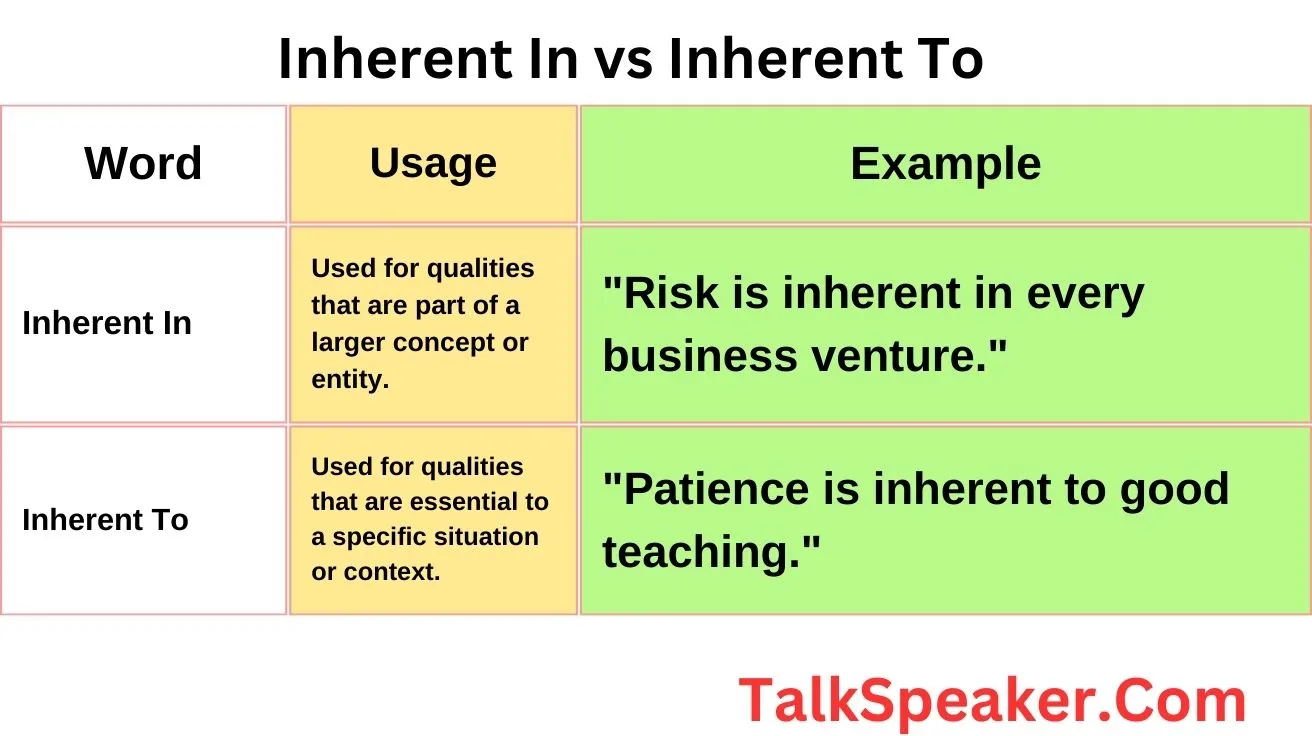
When it comes to writing, the choice between “inherent in” and “inherent to” can be confusing. While both phrases are used to describe something that … Read More
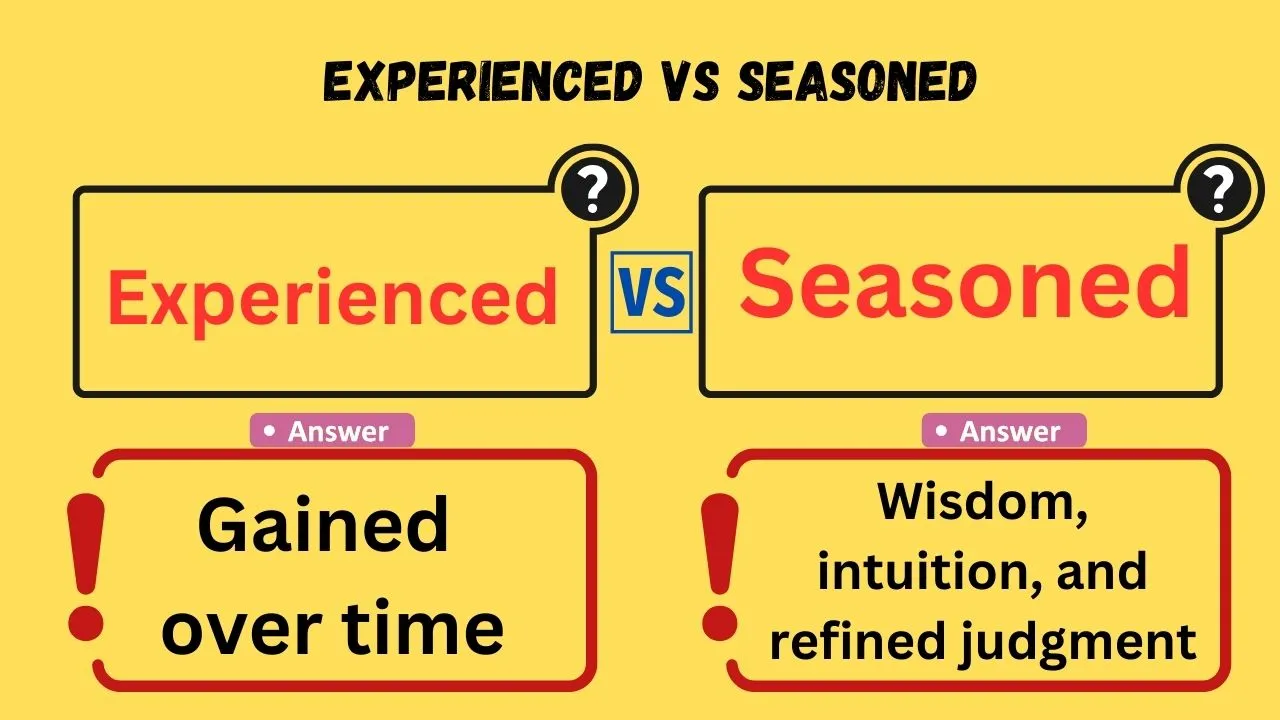
In the professional world, the terms “experienced” and “seasoned” are often used interchangeably, but they hold distinct meanings that are critical to understanding career progression. … Read More
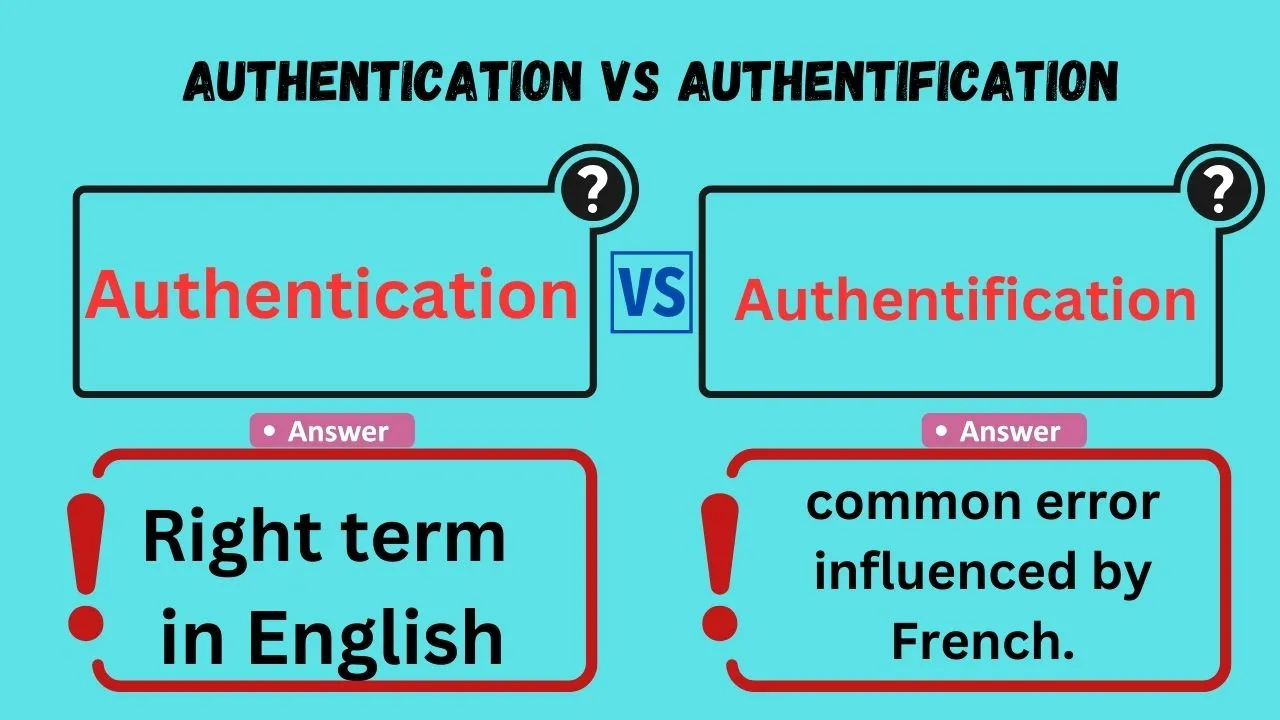
In the digital age, where security and technology intertwine seamlessly, understanding precise terminology is more critical than ever. Two terms often confused or misused in … Read More
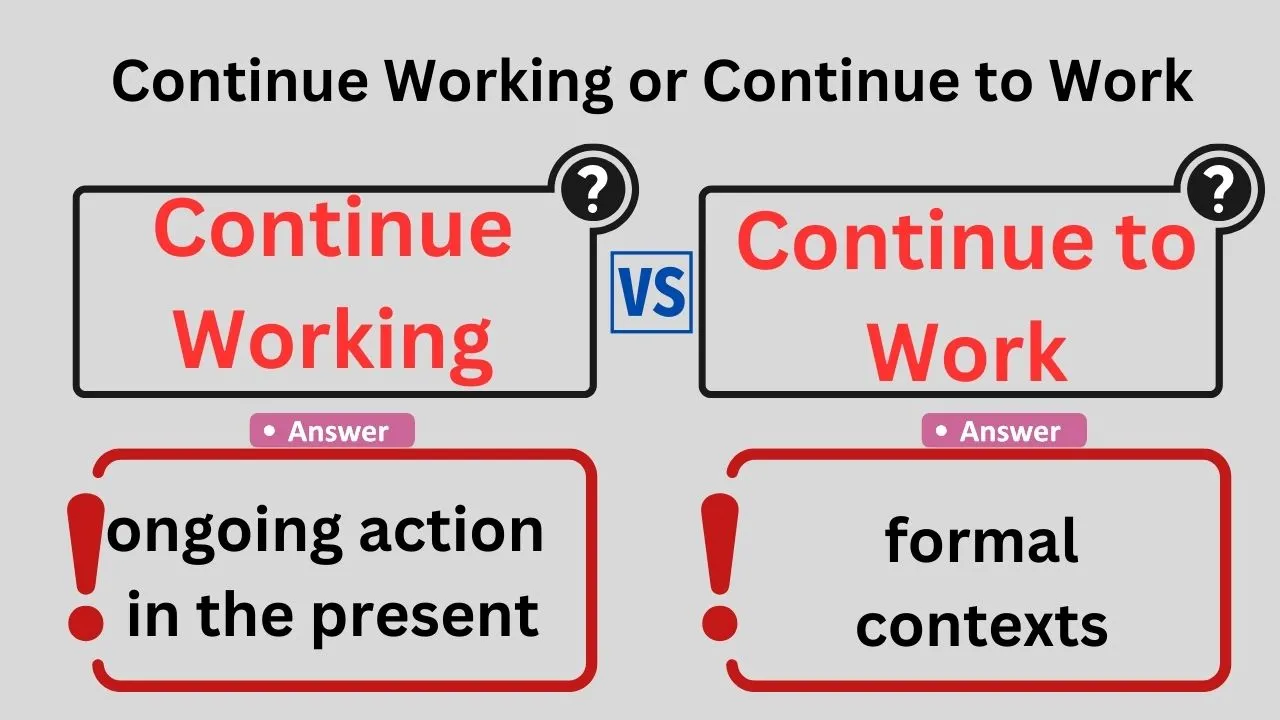
English is a rich and versatile language, filled with nuances that can change the meaning of a sentence with just a slight variation. Two phrases … Read More

Mastering the English language often comes down to small details. Words like “than” and “then” might seem interchangeable, but their meanings and usage are distinct. … Read More
Have you ever read a sentence and paused, unsure whether the writer meant “shudder” or “shutter”? You’re not alone. The confusion between these two words … Read More