
Relate To vs Relate With 🤔: Clear Up the Confusion Today!
Understanding the nuances of language can be challenging, especially when it comes to phrases that seem similar but have different meanings. Two such phrases that … Read More
Understanding the nuances of language can be challenging, especially when it comes to phrases that seem similar but have different meanings. Two such phrases that … Read More
Navigating time expressions in English can be challenging, even for native speakers. Two commonly confused phrases are “in the same day” and “on the same … Read More
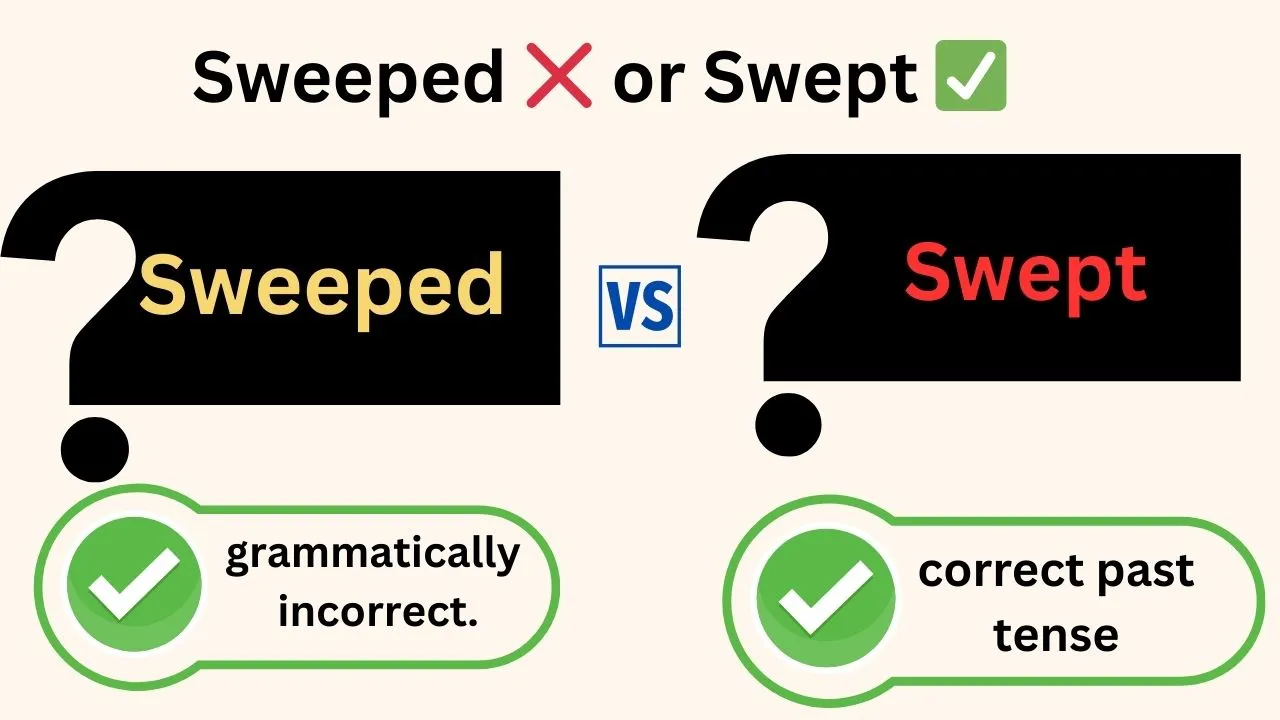
Understanding the intricacies of English grammar is crucial for effective communication, especially when it comes to verb conjugation. Among the common mistakes people make is … Read More
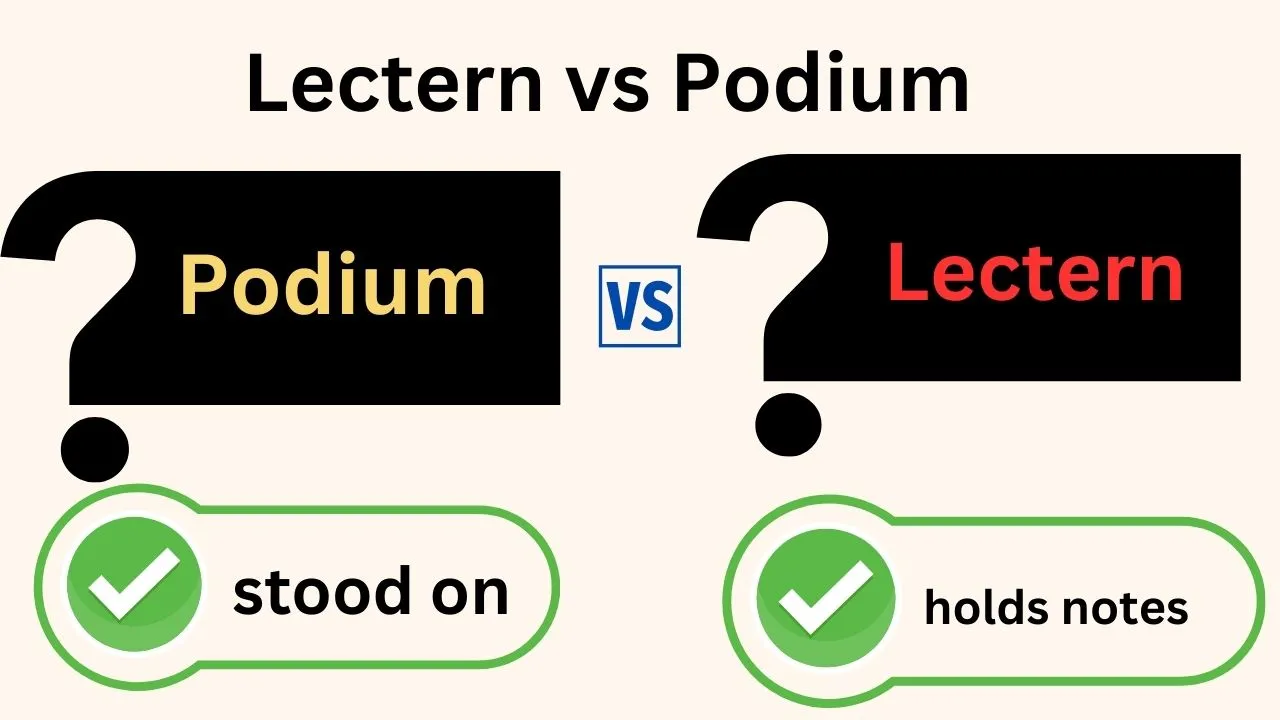
Imagine standing before a crowd, ready to deliver a speech. The platform you stand on or the stand that holds your notes is crucial to … Read More
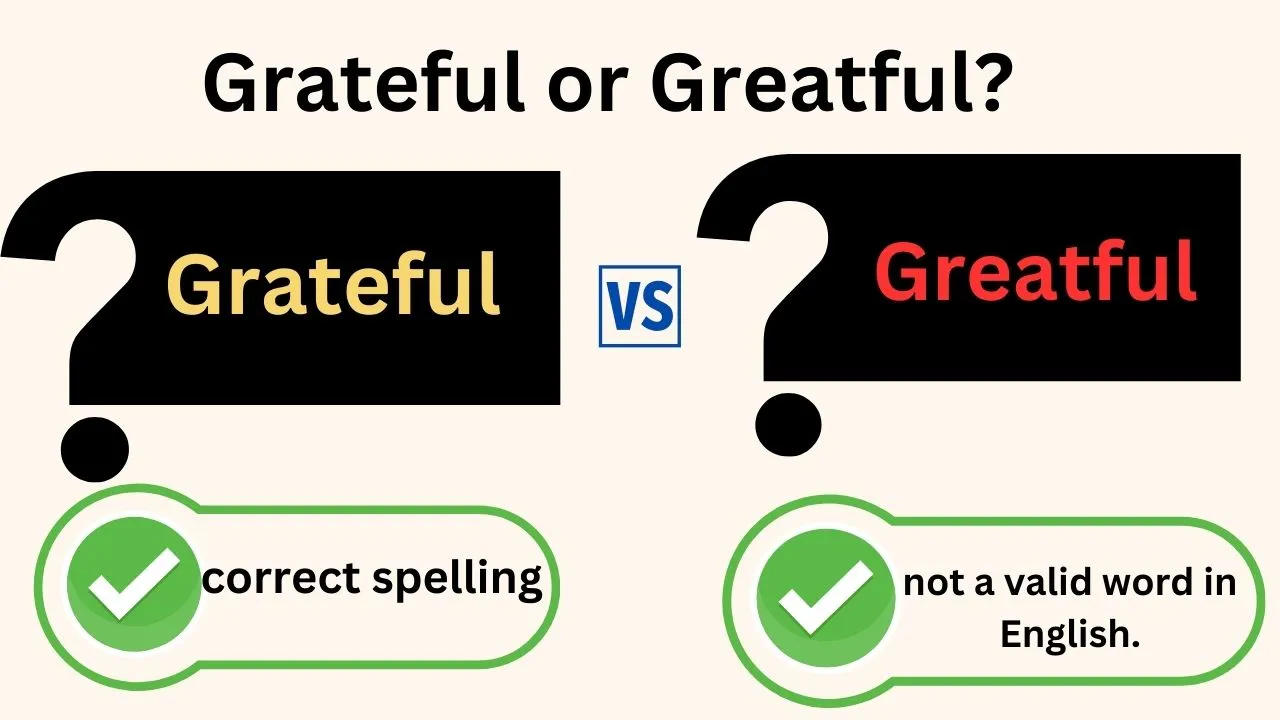
Have you ever found yourself staring at the words ‘greatful’ and ‘grateful,’ unsure which one to use? This common confusion often leads to mistakes in … Read More
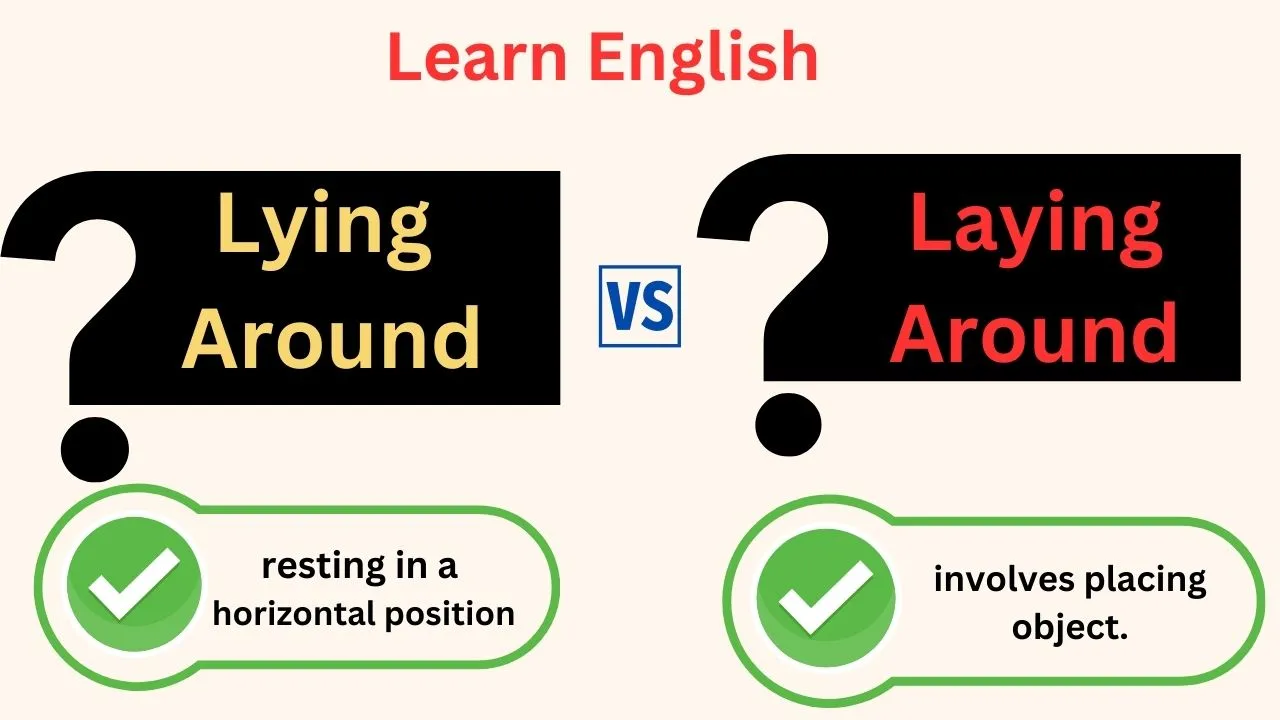
Have you ever been unsure whether to use “lying around” or “laying around”? You’re not alone! Many people mix these up, and while it might … Read More
Understanding the correct usage of pronouns is crucial for clear and effective communication. “Use ‘including me’ as the object of inclusion and ‘including myself’ only … Read More
Confusion between homophones is common, and “bass” and “base” are prime examples. Although they sound similar, their meanings and applications are vastly different. Understanding these … Read More
Have you ever hesitated while writing the word “rustle,” wondering if it should be spelled “russle“? You’re not alone. This common spelling dilemma often trips … Read More
Understanding the correct usage of “ridden” and “rode” is essential for mastering English verb tenses. Use “rode” for the past simple tense and “ridden” as … Read More