
Not Able or Unable🤷♀️? Difference Explained (With Examples)
Have you ever found yourself wondering whether to use “not able” or “unable”? This is a common dilemma in the English language. Understanding the nuances … Read More
Have you ever found yourself wondering whether to use “not able” or “unable”? This is a common dilemma in the English language. Understanding the nuances … Read More
Understanding the correct usage of articles in English, especially ‘an honest’ vs. ‘a honest’, can greatly enhance both your written and spoken communication. The correct … Read More

Have you ever found yourself puzzled over the difference between “indorsement” and “endorsement”? Perhaps you came across these terms in a legal document or a … Read More
Understanding the nuances of English grammar can often feel like navigating a maze. One such confusion arises with the use of “happier” and “more happy.” … Read More
Understanding the distinctions between a jurist and a juror is crucial for anyone interested in the legal system. Although both play significant roles in the … Read More
Choosing between “by which” and “in which” can be tricky, even for seasoned writers. Imagine you’re drafting a formal email or an academic paper, and … Read More
Misusing “dieing” and “dying” is a common error in English, but understanding their differences is crucial for clear and precise communication. In this comprehensive guide, … Read More
The terms vagrant and hobo have been used for centuries, each representing a different lifestyle, set of circumstances, and societal view. Though often confused, they … Read More
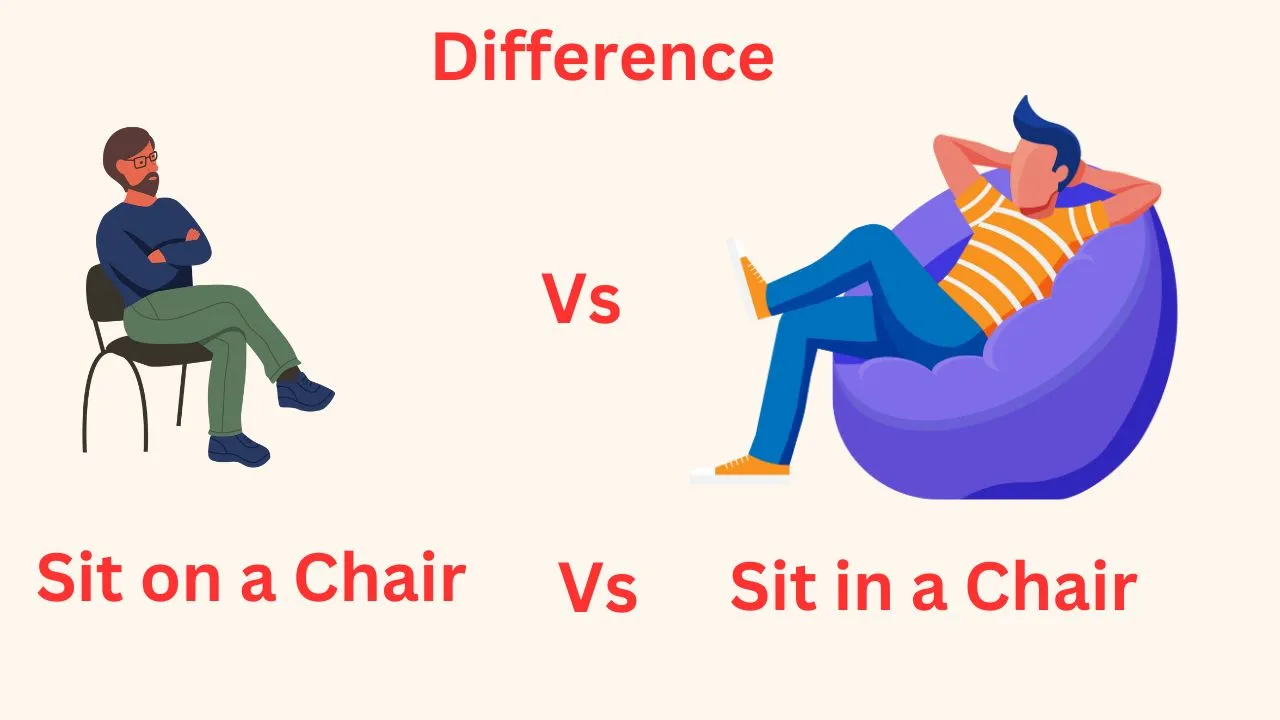
The English language, full of quirks and subtleties, often leaves learners puzzled. One common area of confusion lies in the use of prepositions, particularly “in” … Read More
Navigating the complex world of leadership roles, particularly in creative and corporate sectors, often involves understanding nuanced distinctions between titles like “Director” and “Co-director.” Directors … Read More