
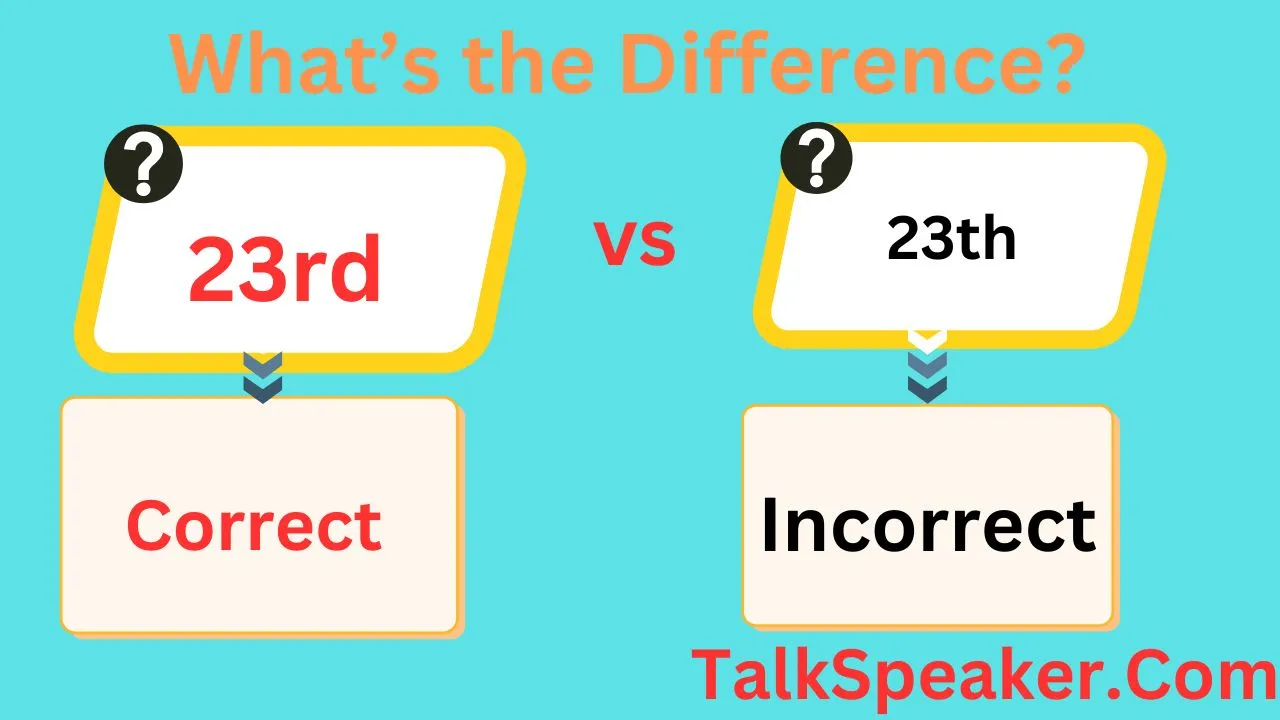
23th or 23rd? Pick Right One
English can be tricky, especially when it comes to ordinal numbers like “23th” and “23rd.” While these terms sound similar, only one is correct. The … Read More
English can be tricky, especially when it comes to ordinal numbers like “23th” and “23rd.” While these terms sound similar, only one is correct. The … Read More
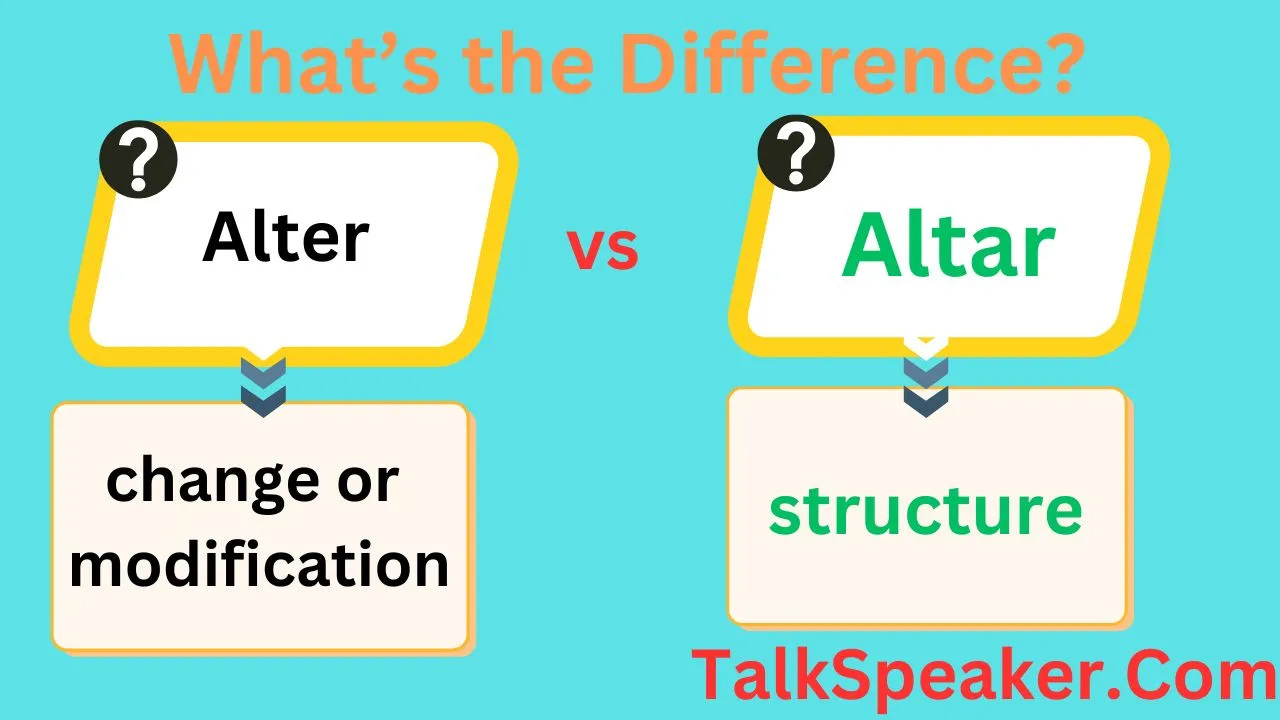
In the vast landscape of the English language, certain words often trip up even the most seasoned writers. Two such words, “alter” and “altar,” are … Read More
Understanding the difference between “anymore” and “any more” can be confusing. While they sound similar, their meanings and usages are distinct. Mastering these terms enhances … Read More
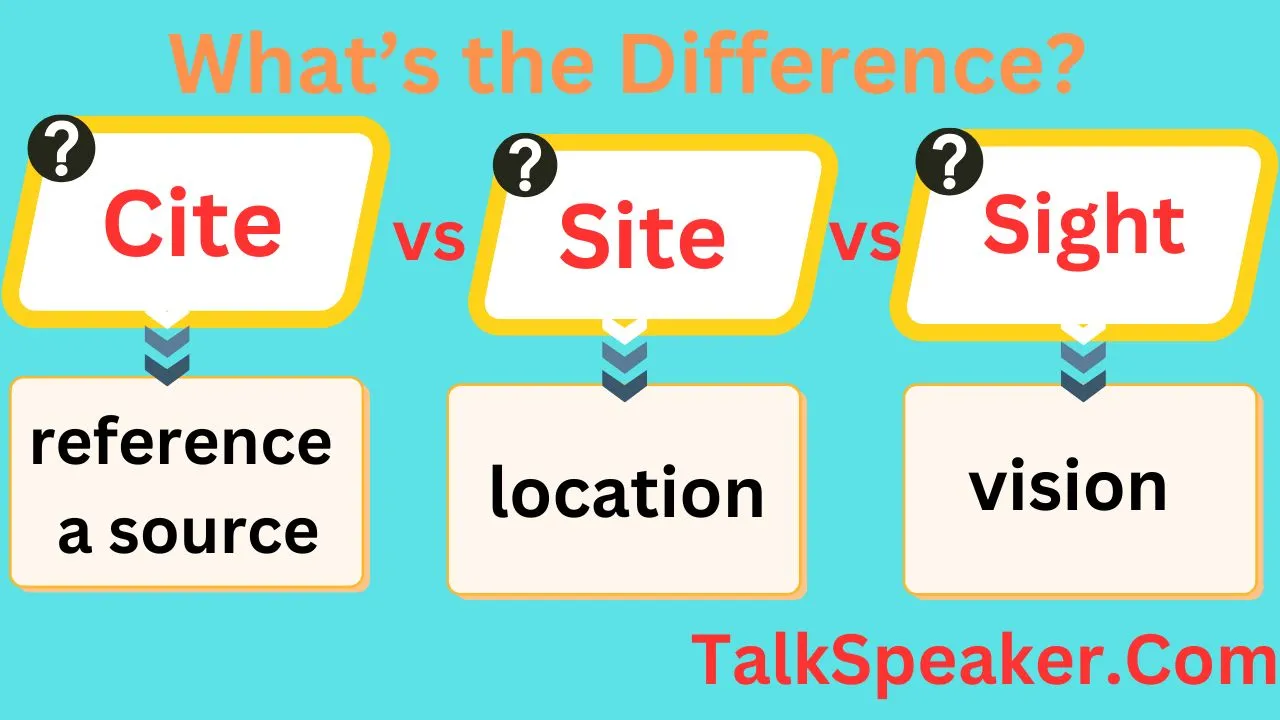
Understanding the difference between “cite,” “site,” and “sight” is crucial for clear and effective communication. These homophones sound alike but have distinct meanings and uses. … Read More
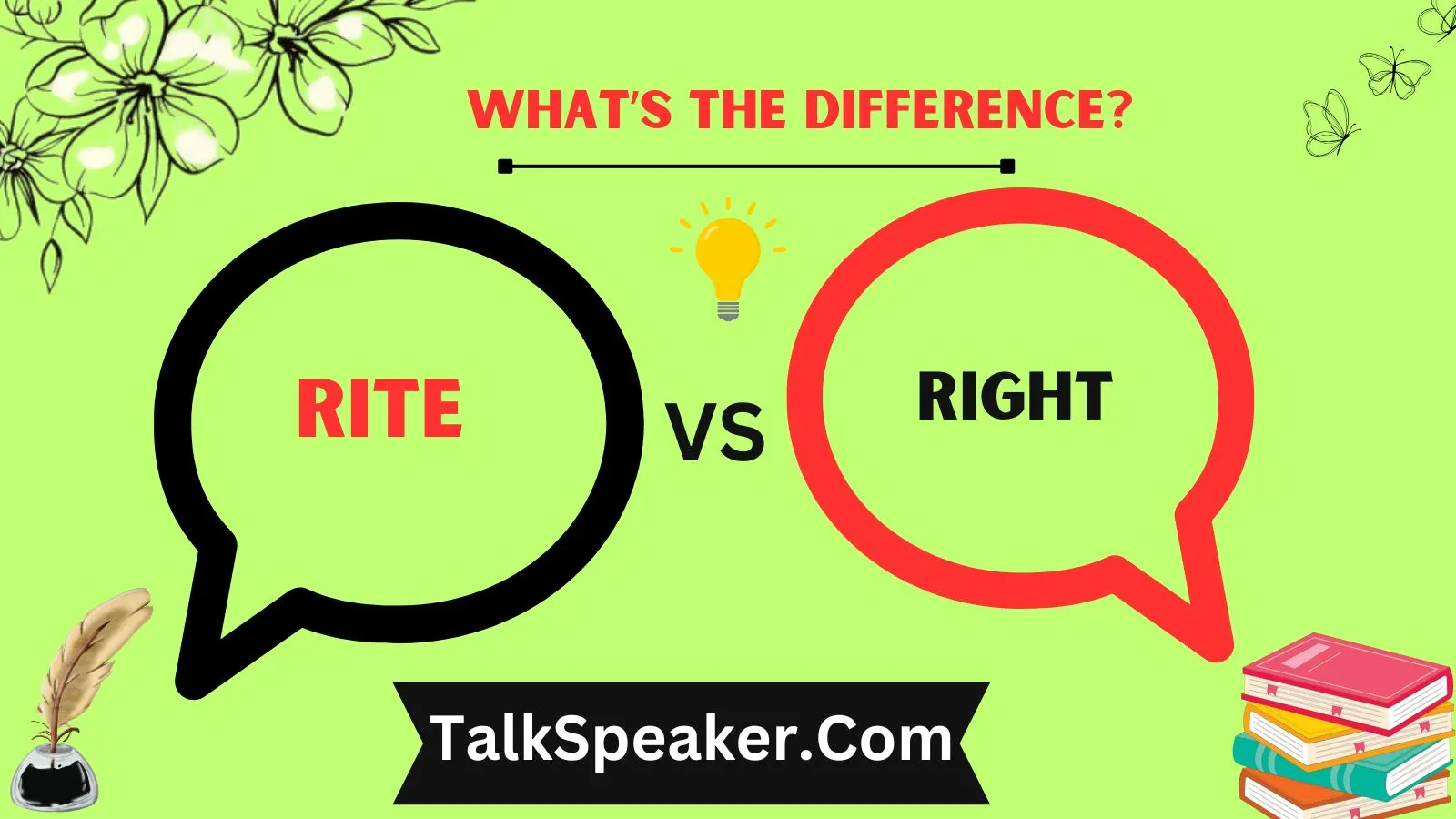
Homophones often trip up even the most seasoned writers. Among them, “rite” and “right” are two words that frequently cause confusion. “Rite” refers to a … Read More
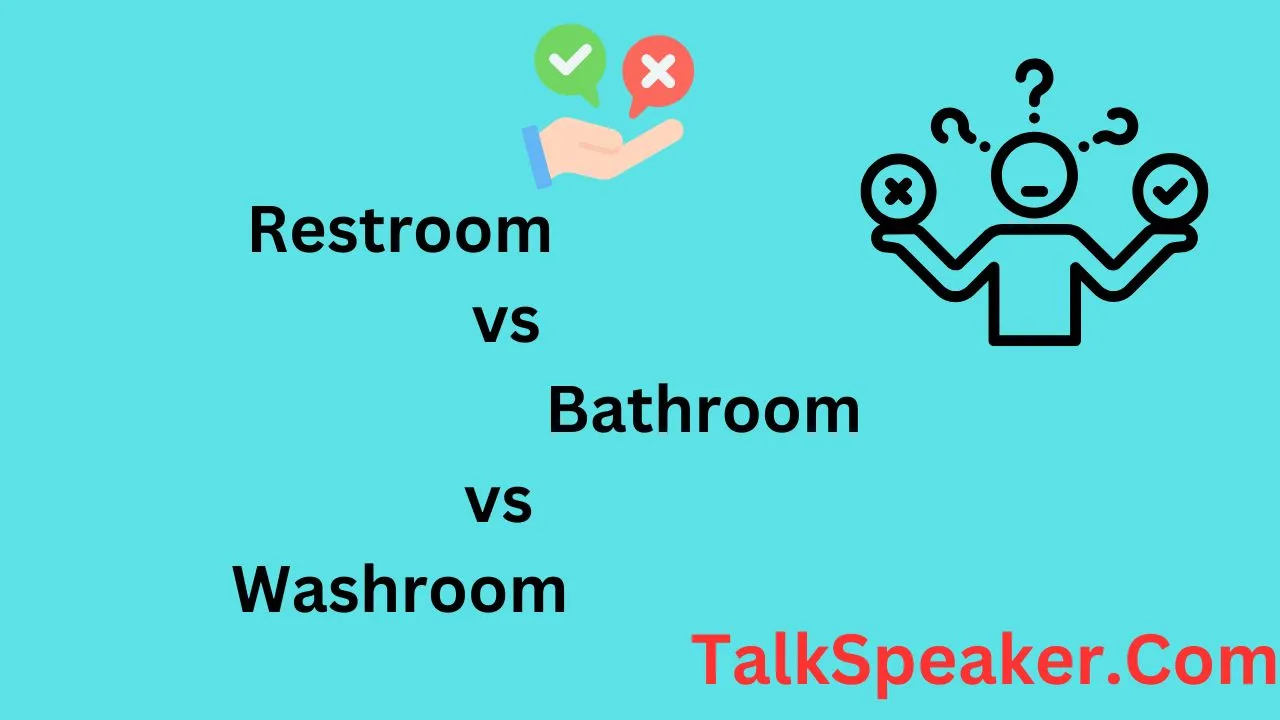
Ever found yourself wondering why some places use “restroom,” others use “bathroom,” and some opt for “washroom“? These terms, though seemingly interchangeable, each carry their … Read More
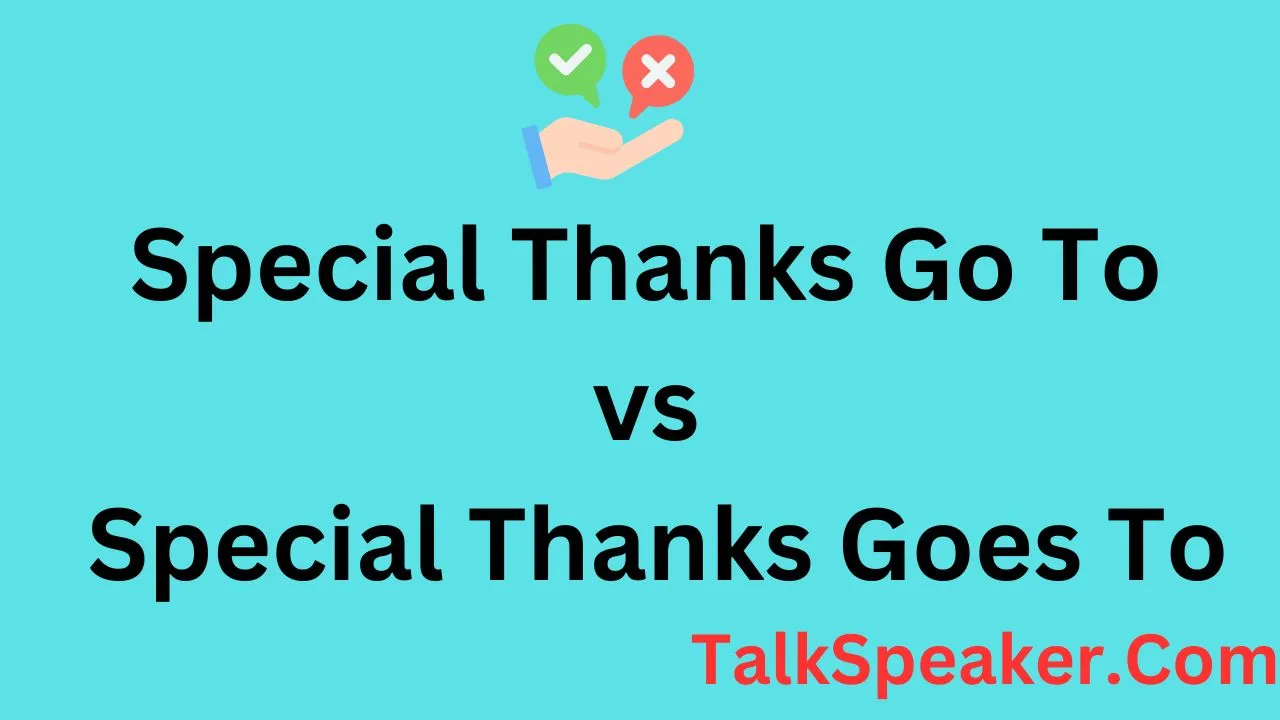
In the world of English grammar, the subtleties can often trip us up, especially when it comes to phrases that seem straightforward but are nuanced … Read More
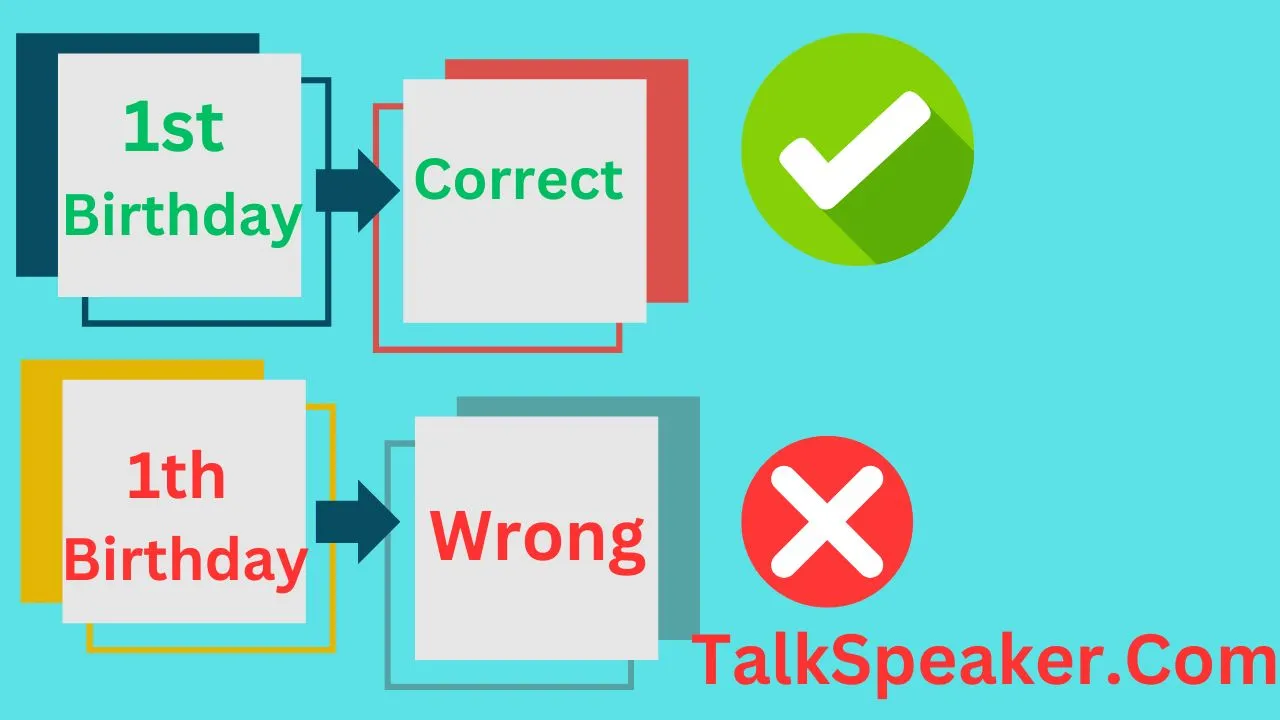
When it comes to celebrating milestones, a baby’s 1st birthday holds special significance. But what about the term “1th birthday“? While it might appear in … Read More
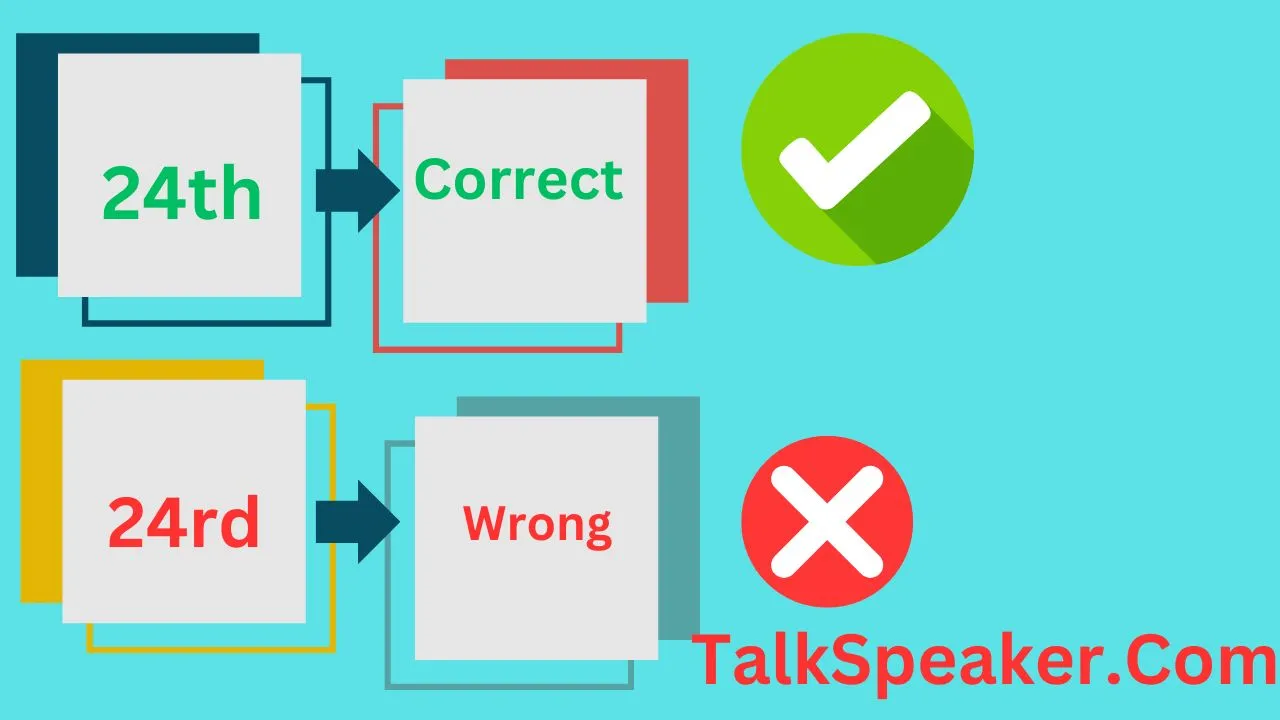
Ordinal numbers are a crucial aspect of English grammar, yet they can often lead to confusion. One common mistake involves writing “24rd” instead of the … Read More
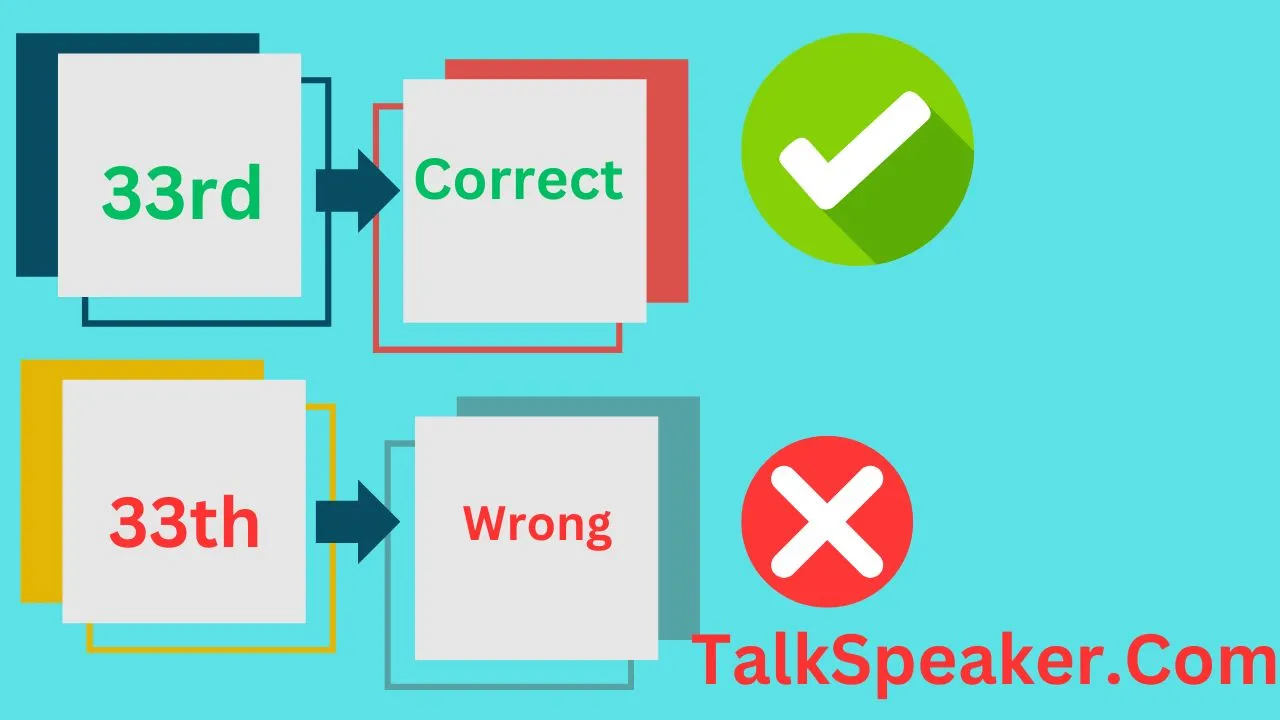
Have you ever stumbled over whether to write “33th” or “33rd“? You’re not alone. This common error confuses both English learners and native speakers alike. … Read More