
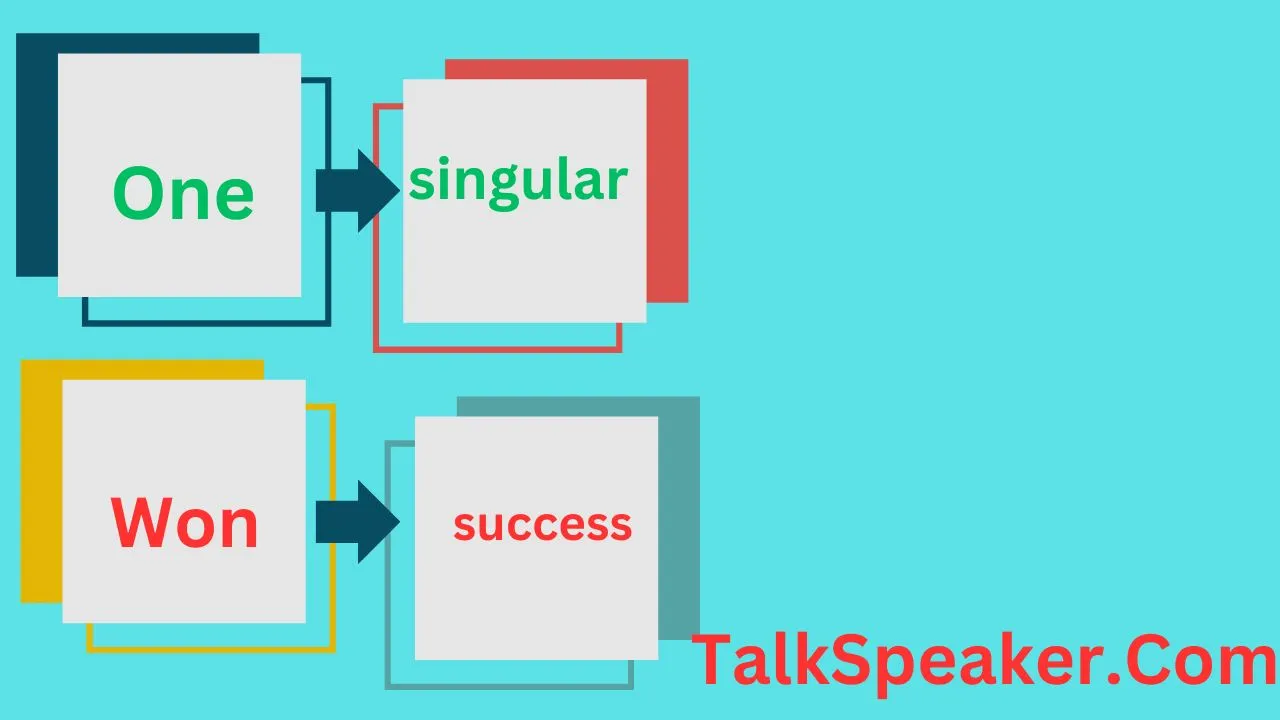
One vs Won: Mastering the Difference
Homophones can be tricky. They sound the same but have different meanings and spellings. “One” and “won” are prime examples. Understanding these two words and … Read More
Homophones can be tricky. They sound the same but have different meanings and spellings. “One” and “won” are prime examples. Understanding these two words and … Read More
Understanding the subtle distinctions between similar-sounding words can be a tricky part of mastering English. Among these words, “prove” and “proof” often confound many. Though … Read More
Language is a living, breathing entity that evolves with time, region, and context. Among the many quirks of English spelling, the terms “analog” and “analogue” … Read More
Understanding the difference between “prospective” and “perspective” is crucial for clear communication. Despite their similar sounds, these words have distinct meanings and uses. “Prospective” relates … Read More
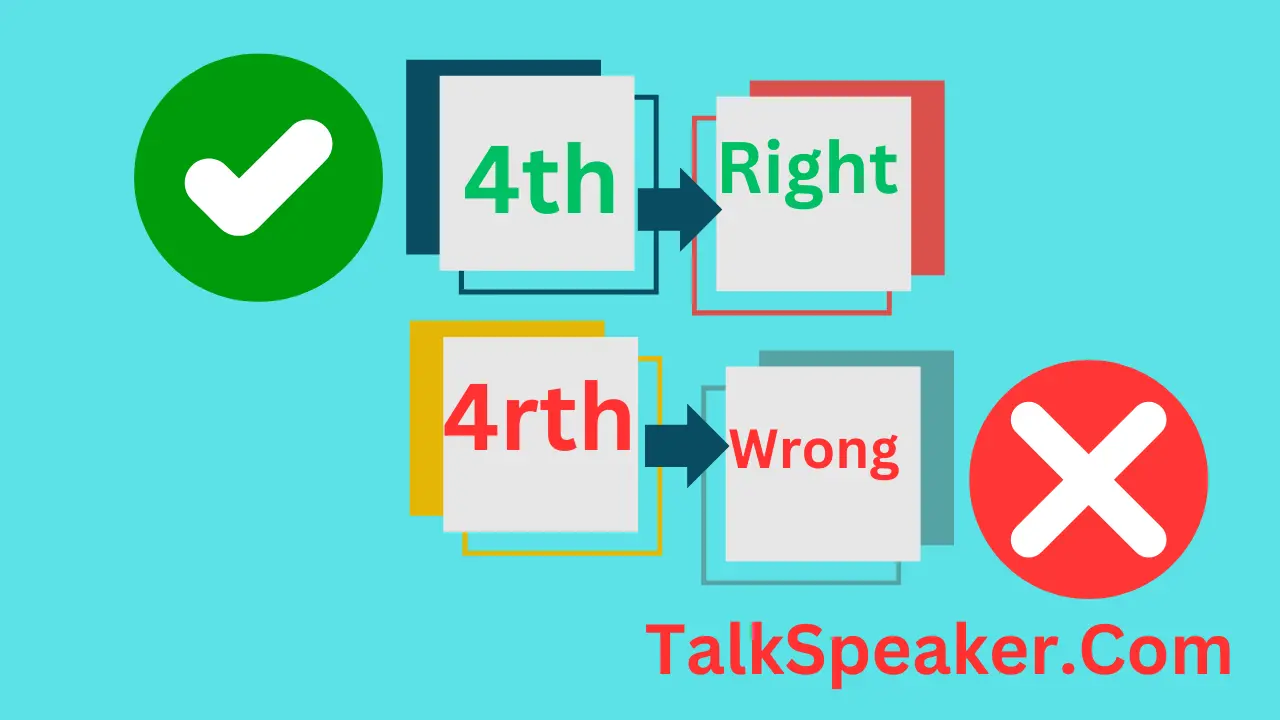
When it comes to spelling, even the smallest details can make a big difference. This article dives deep into the confusion between “4th” and “4rth,” … Read More
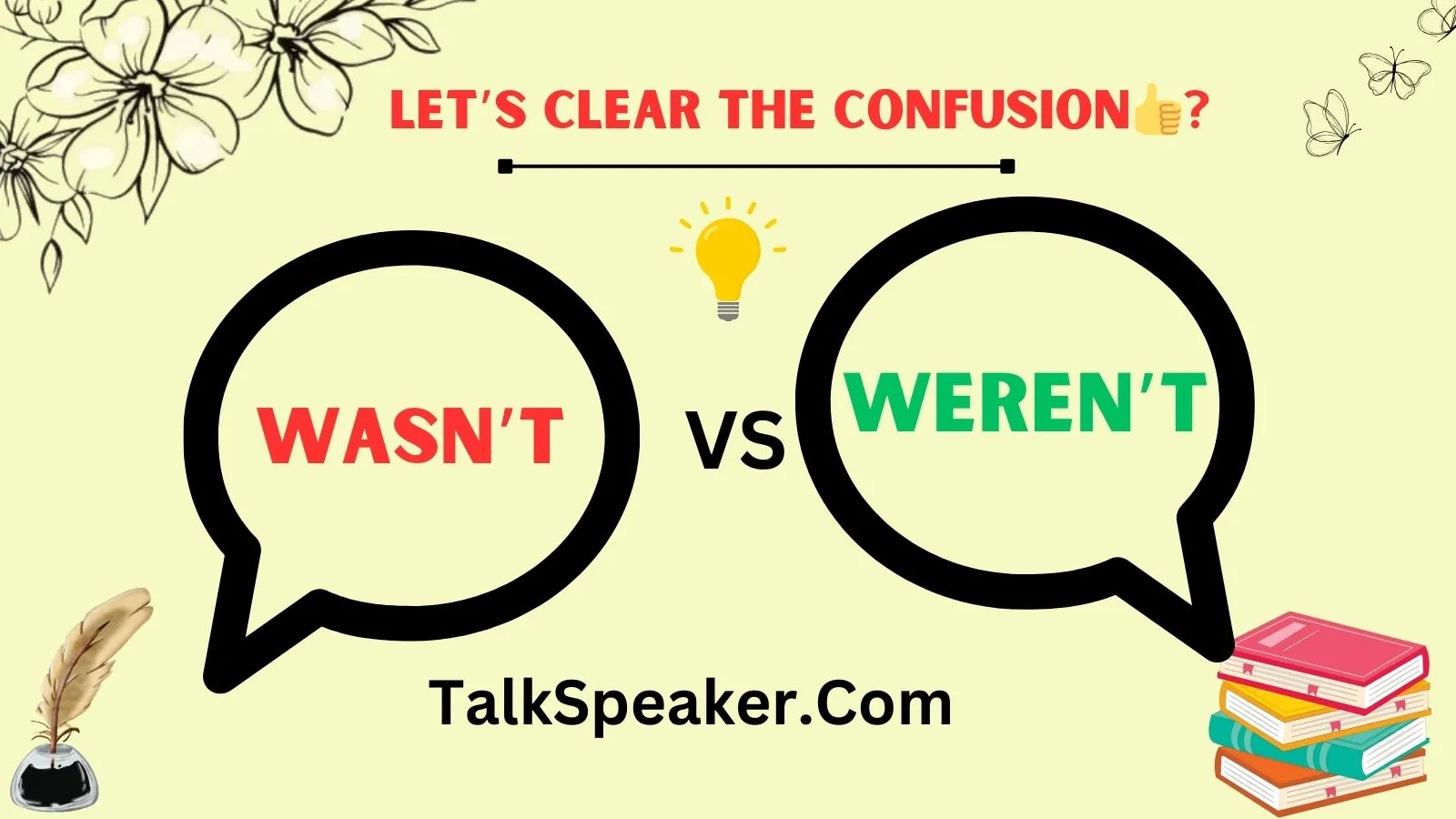
Understanding the difference between “wasn’t” and “weren’t” can seem tricky, but mastering it can greatly improve your writing and speaking skills. Use “wasn’t” for singular … Read More

Words like “updated” and “update” might seem small, but using them correctly can make a big difference in how clear and professional your communication feels. … Read More
Imagine telling your friend about a race you participated in, and you pause, unsure whether to say, “I run last year“ or “I ran last … Read More
Imagine you’re working at a company that holds a big celebration every year. It’s the highlight of the year, and everyone looks forward to it. … Read More
Imagine this: You’re at a networking event, introducing yourself to a professor or a potential employer. You confidently say, “I’m a Master’s student.” But then … Read More