
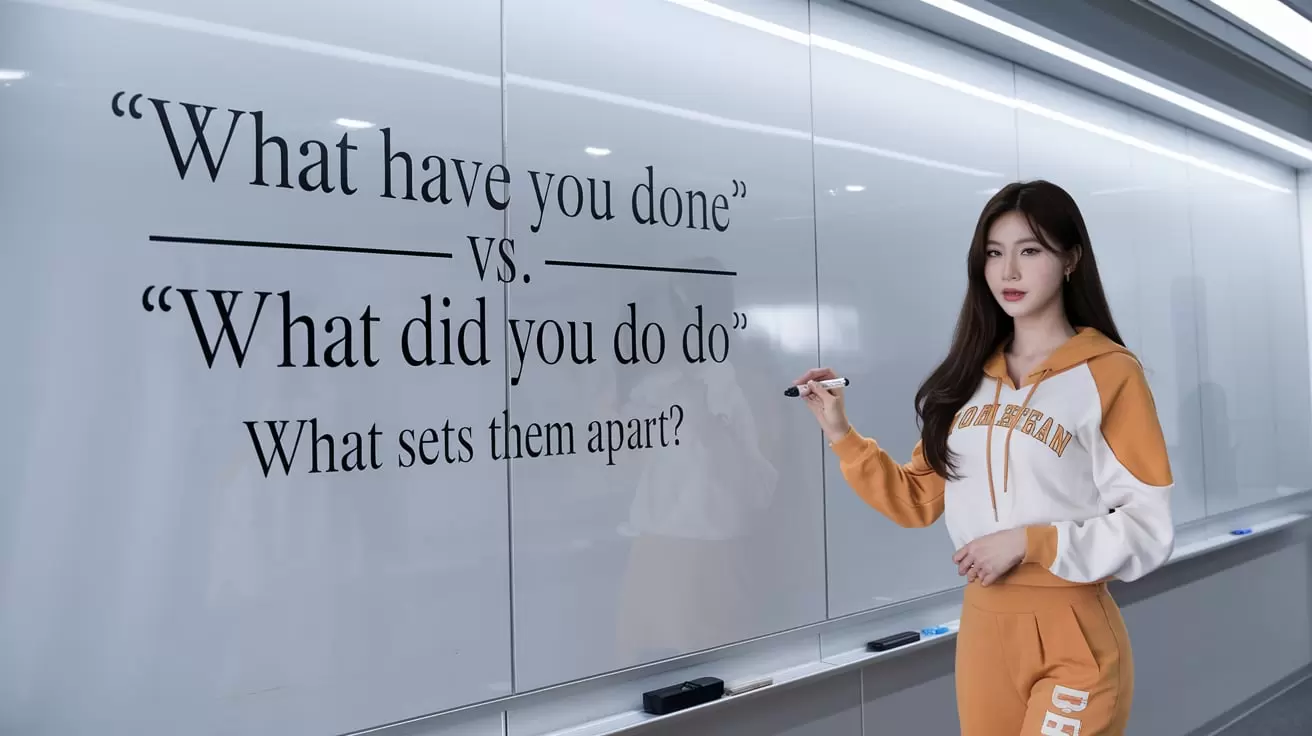
“What Have You Done” vs. “What Did You Do” – What sets them apart👍?
Understanding verb tenses is crucial for clear and effective communication. The phrases “What have you done?” and “What did you do?” often cause confusion because … Read More
Understanding verb tenses is crucial for clear and effective communication. The phrases “What have you done?” and “What did you do?” often cause confusion because … Read More
![Before [Date] vs. By [Date]](https://talkspeaker.net/wp-content/uploads/2024/09/before-date-vs-by-date.webp)
Understanding the difference between “before [date]” and “by [date]” is crucial for effective communication, whether in everyday conversations or professional settings. While these terms may … Read More
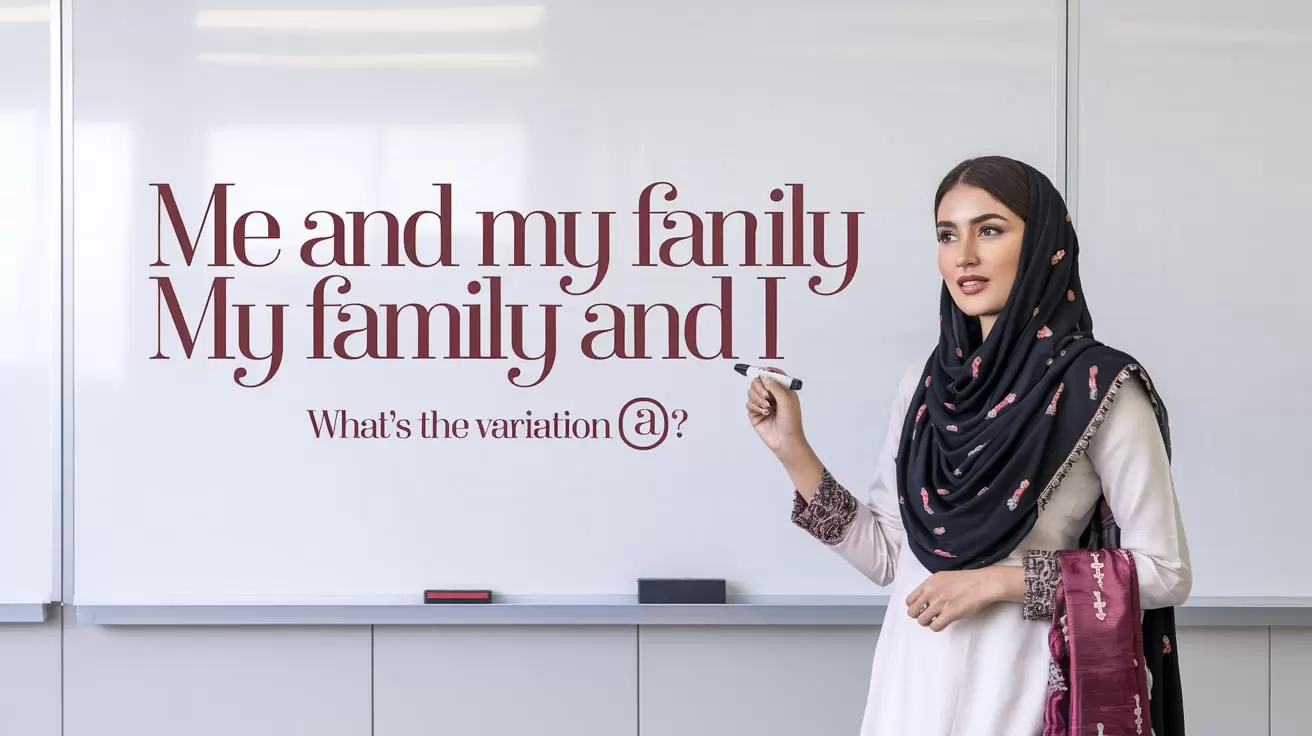
When it comes to the phrases “me and my family” and “my family and I,” many people find themselves tangled in a grammatical dilemma. It’s … Read More

Understanding the nuances of English grammar can sometimes feel like navigating a labyrinth. One common area of confusion involves the terms “self” and “itself.” Both … Read More
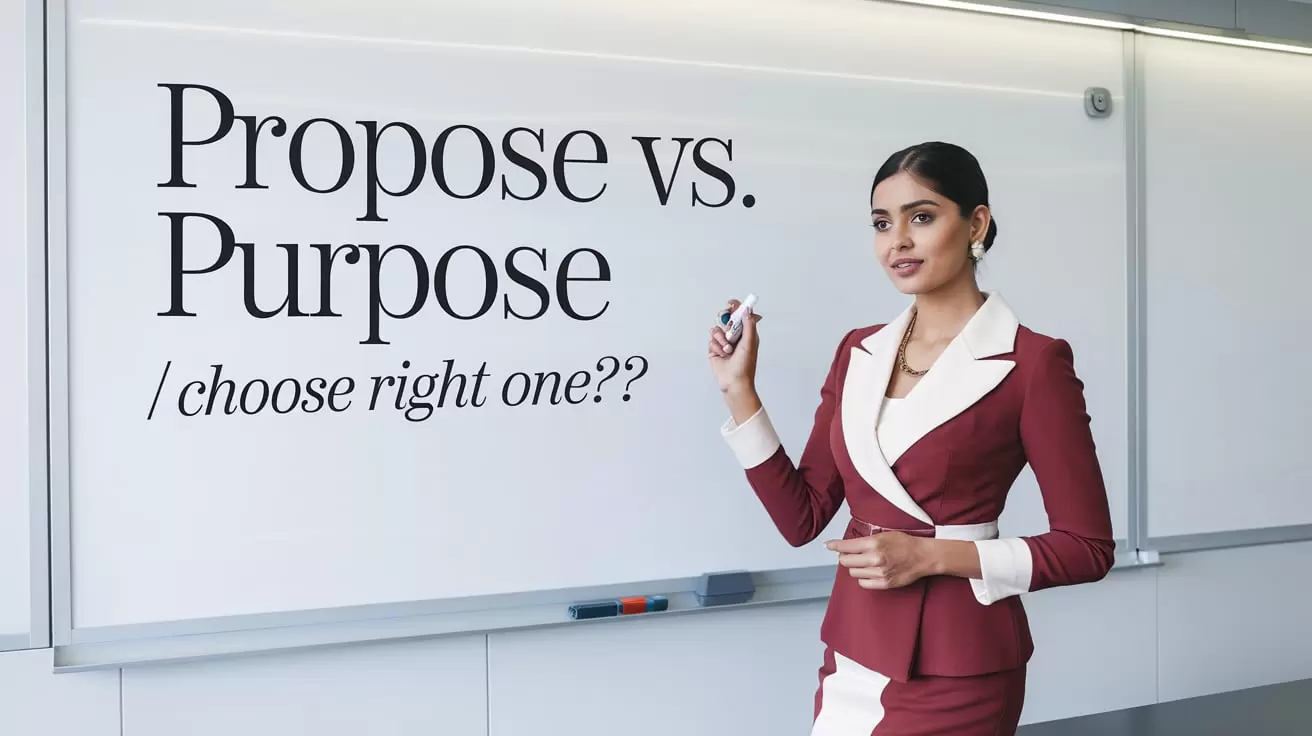
Understanding the nuances between “propose” and “purpose” is crucial for effective communication. These two words, though seemingly similar, serve distinct roles in our language. This … Read More
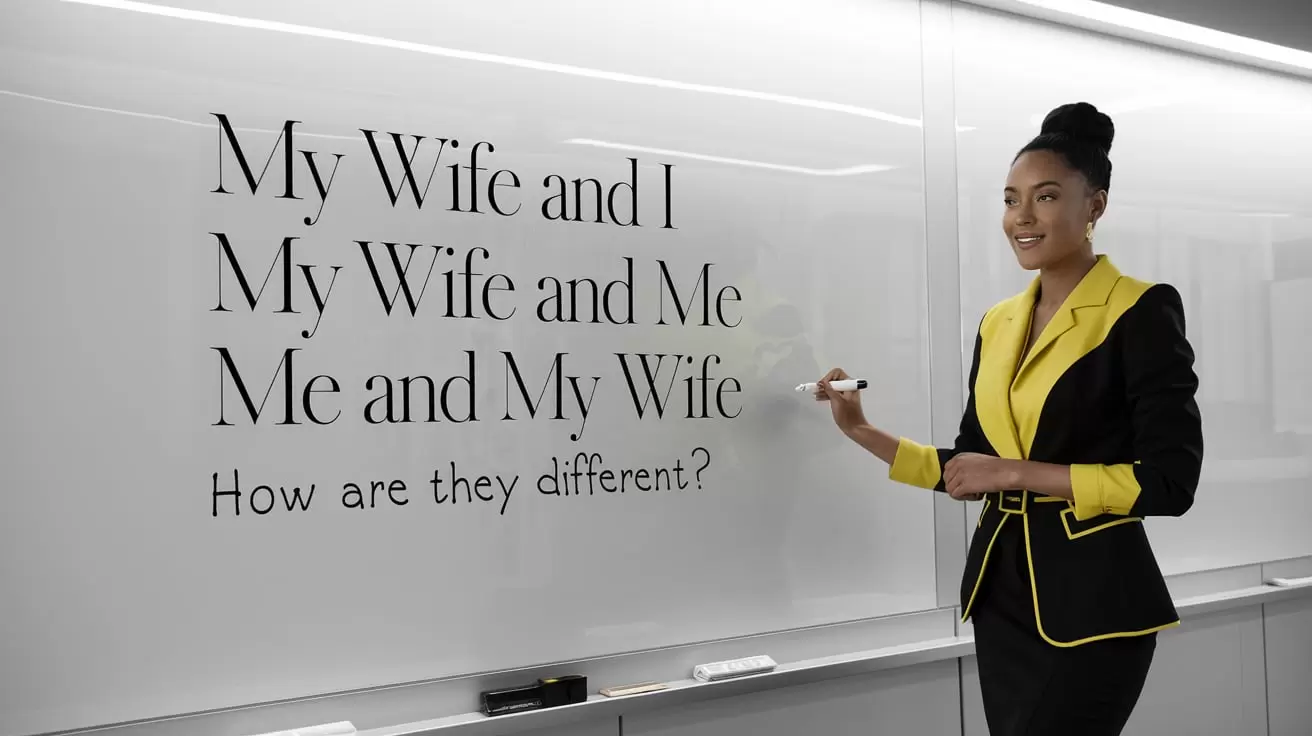
The distinctions between “My Wife and I,” “My Wife and Me,” and “Me and My Wife” might seem trivial, but they play a significant role … Read More
Effective communication is crucial in many fields, from military operations to business meetings and emergency response situations. Two terms that often arise in these contexts … Read More
Have you ever wondered why certain words seem interchangeable yet carry distinct meanings? This is the case with “accumulative” and “cumulative.” While they might appear … Read More
In the English language, precision is key. Yet, many of us stumble over seemingly minor details, such as the difference between “sustain” and the non-existent … Read More
Master the art of clear and confident communication by knowing when to use “Me Too” for casual chats, “Me as Well” for polished formality, and … Read More