
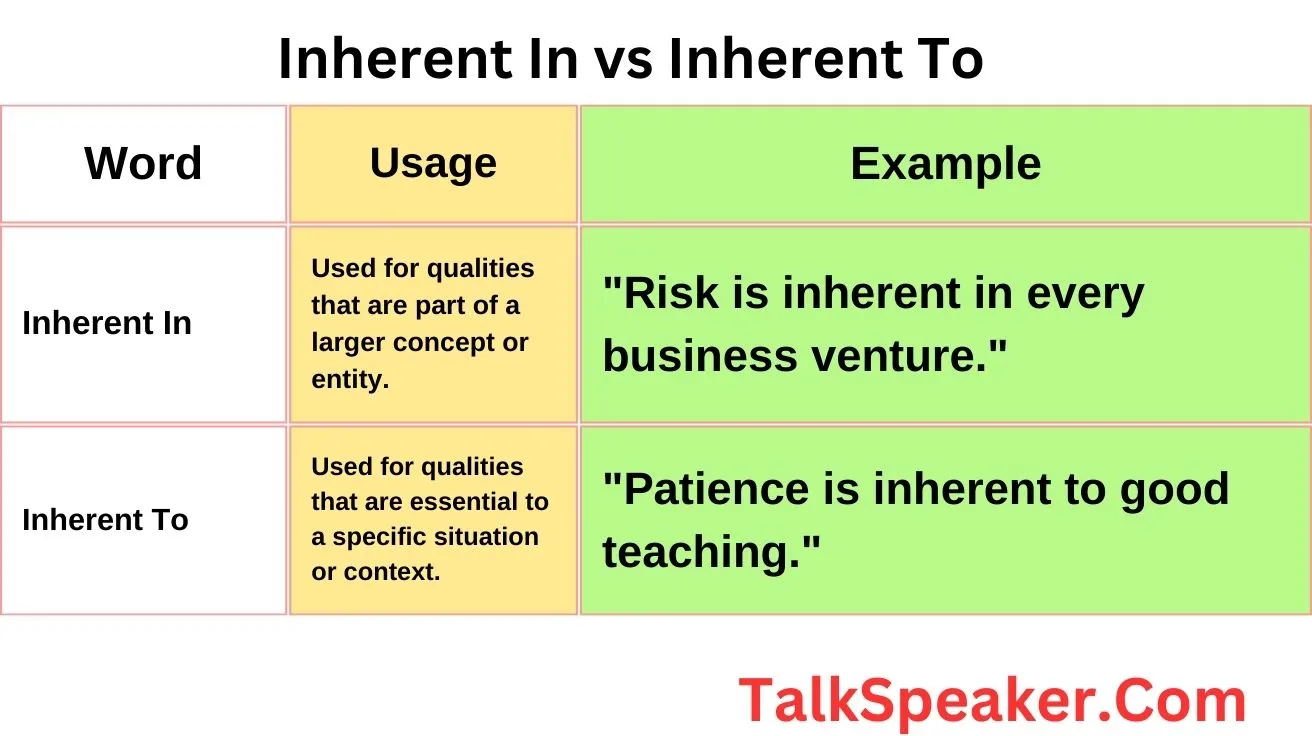
Inherent In vs Inherent To: Mastering the Subtle Differences
When it comes to writing, the choice between “inherent in” and “inherent to” can be confusing. While both phrases are used to describe something that … Read More
When it comes to writing, the choice between “inherent in” and “inherent to” can be confusing. While both phrases are used to describe something that … Read More
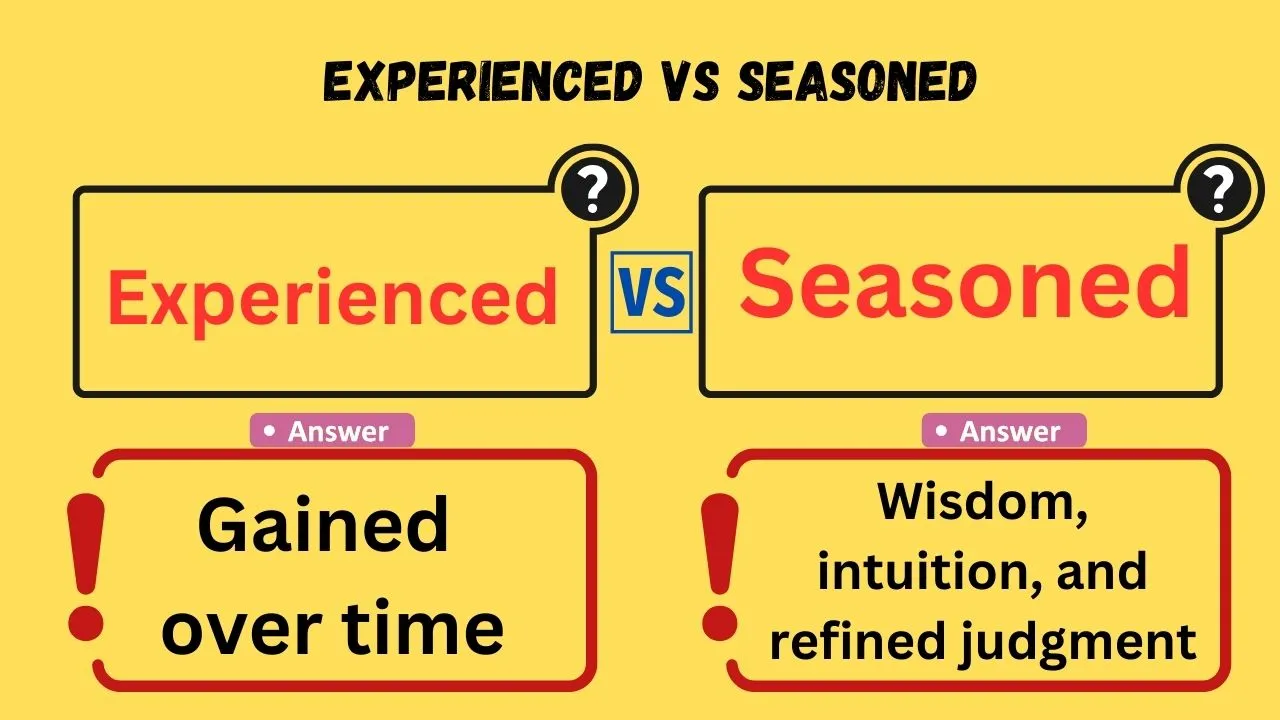
In the professional world, the terms “experienced” and “seasoned” are often used interchangeably, but they hold distinct meanings that are critical to understanding career progression. … Read More
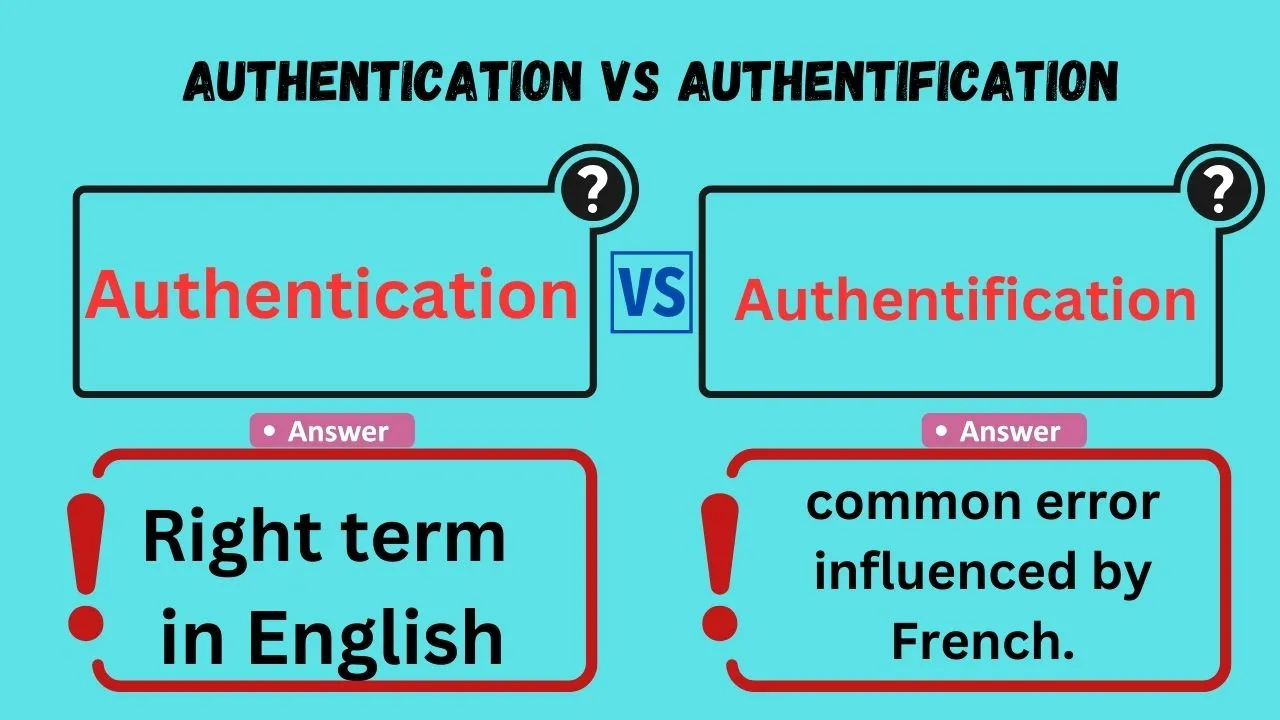
In the digital age, where security and technology intertwine seamlessly, understanding precise terminology is more critical than ever. Two terms often confused or misused in … Read More
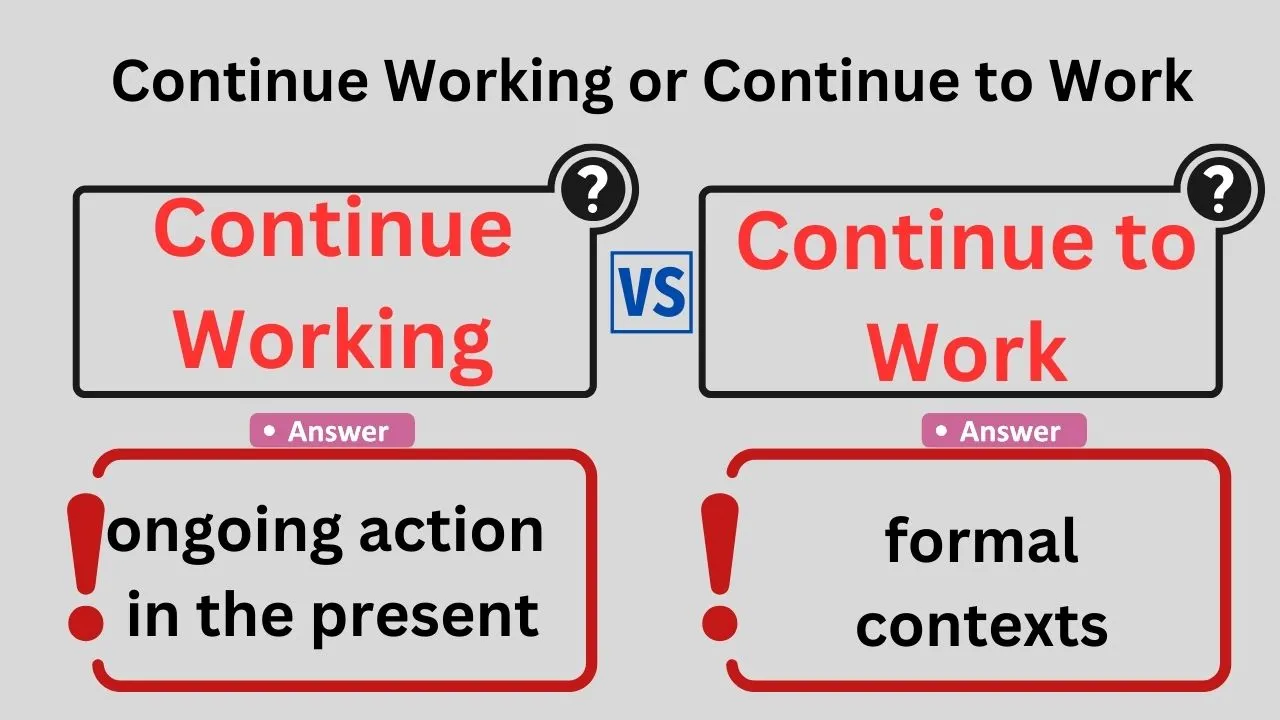
English is a rich and versatile language, filled with nuances that can change the meaning of a sentence with just a slight variation. Two phrases … Read More

Mastering the English language often comes down to small details. Words like “than” and “then” might seem interchangeable, but their meanings and usage are distinct. … Read More
Have you ever read a sentence and paused, unsure whether the writer meant “shudder” or “shutter”? You’re not alone. The confusion between these two words … Read More

Understanding the nuances of language can be challenging, especially when it comes to phrases that seem similar but have different meanings. Two such phrases that … Read More
Navigating time expressions in English can be challenging, even for native speakers. Two commonly confused phrases are “in the same day” and “on the same … Read More
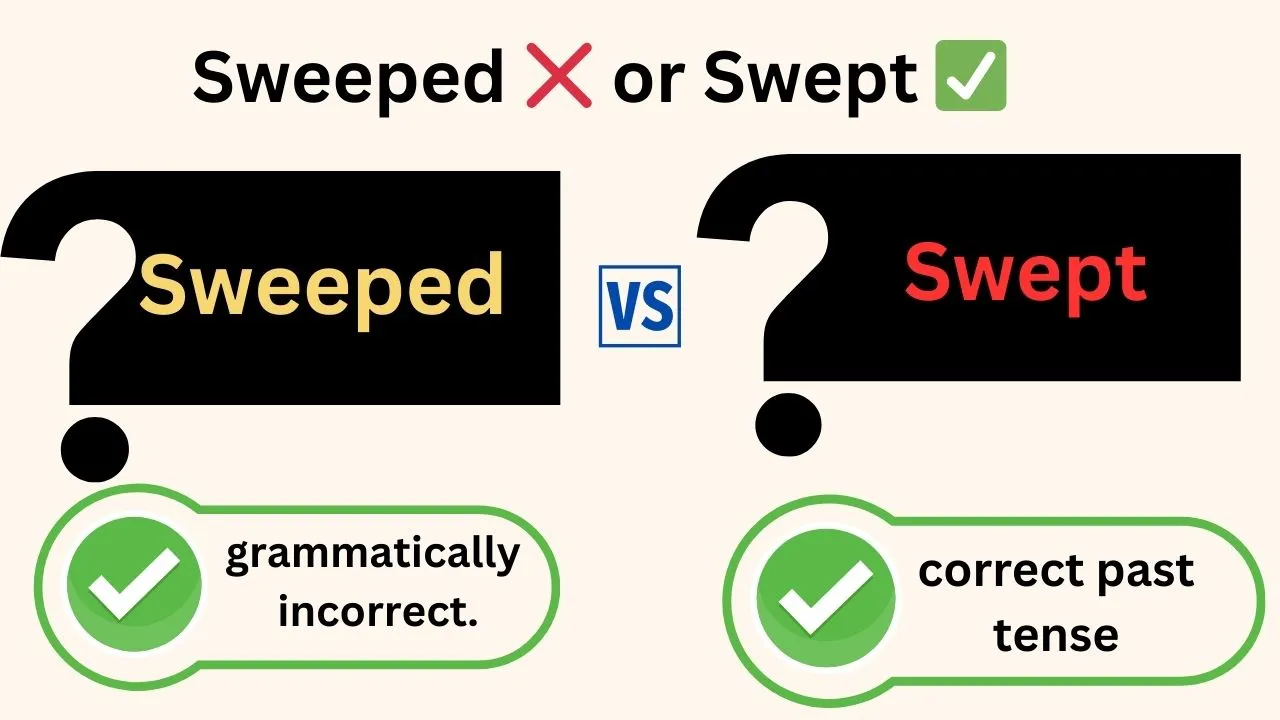
Understanding the intricacies of English grammar is crucial for effective communication, especially when it comes to verb conjugation. Among the common mistakes people make is … Read More
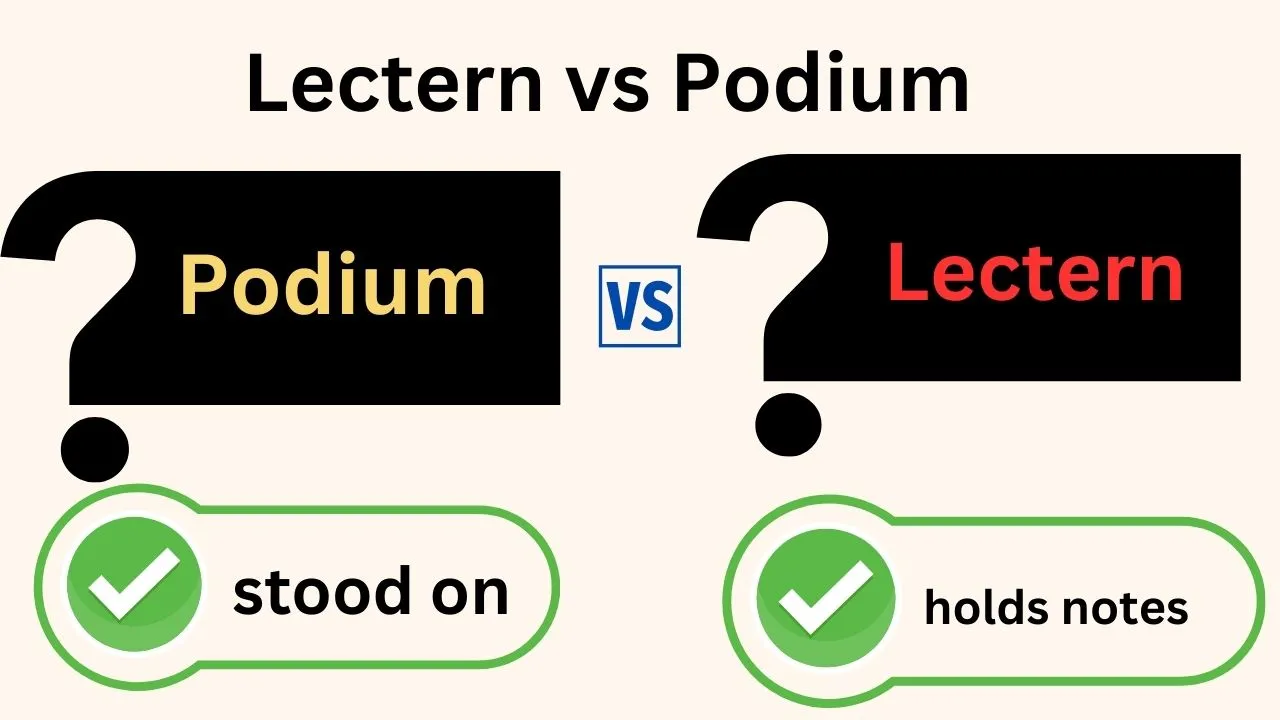
Imagine standing before a crowd, ready to deliver a speech. The platform you stand on or the stand that holds your notes is crucial to … Read More