

Assume vs Presume: Practical Examples
The term “aforementioned” is one that often sparks confusion, especially for those aiming to use it correctly in their writing. Whether you’re drafting a formal … Read More
The term “aforementioned” is one that often sparks confusion, especially for those aiming to use it correctly in their writing. Whether you’re drafting a formal … Read More
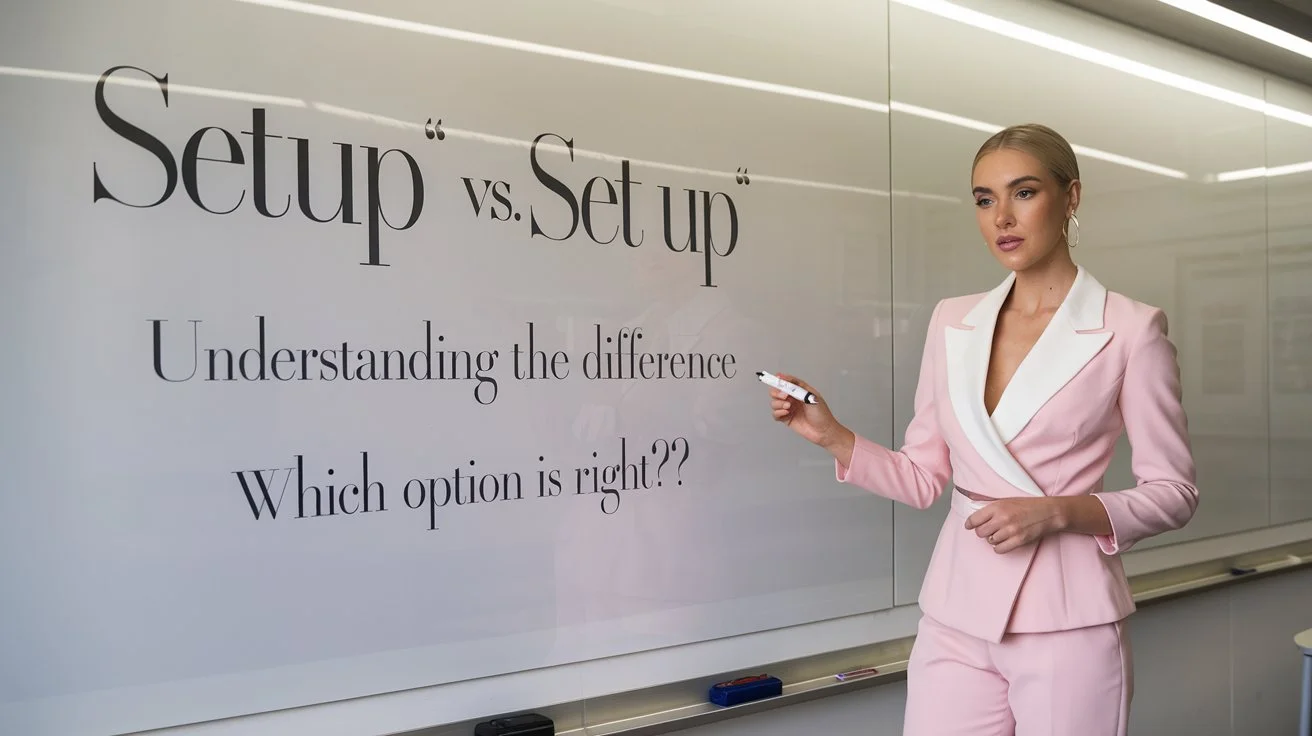
When it comes to writing clearly and accurately, understanding the difference between “setup” and “set up” is essential. While they may seem similar, they serve … Read More

In the vast realm of the English language, certain word pairs often trip us up. “Supposably” and “supposedly” are two such words that, despite their … Read More

Understanding how to correctly use “year old” and “years old” can greatly enhance clarity in your writing. This guide will help you navigate the rules … Read More

When navigating everyday conversations, you might stumble upon phrases that seem almost interchangeable, yet only one is correct. “Mine as well” and “might as well” … Read More

Understanding the difference between similar words is crucial for effective communication, especially in English, where subtle variations can lead to confusion. One common area of … Read More

In the English language, some words can easily trip us up, even when they seem quite similar. One pair that often causes confusion is “tuff” … Read More
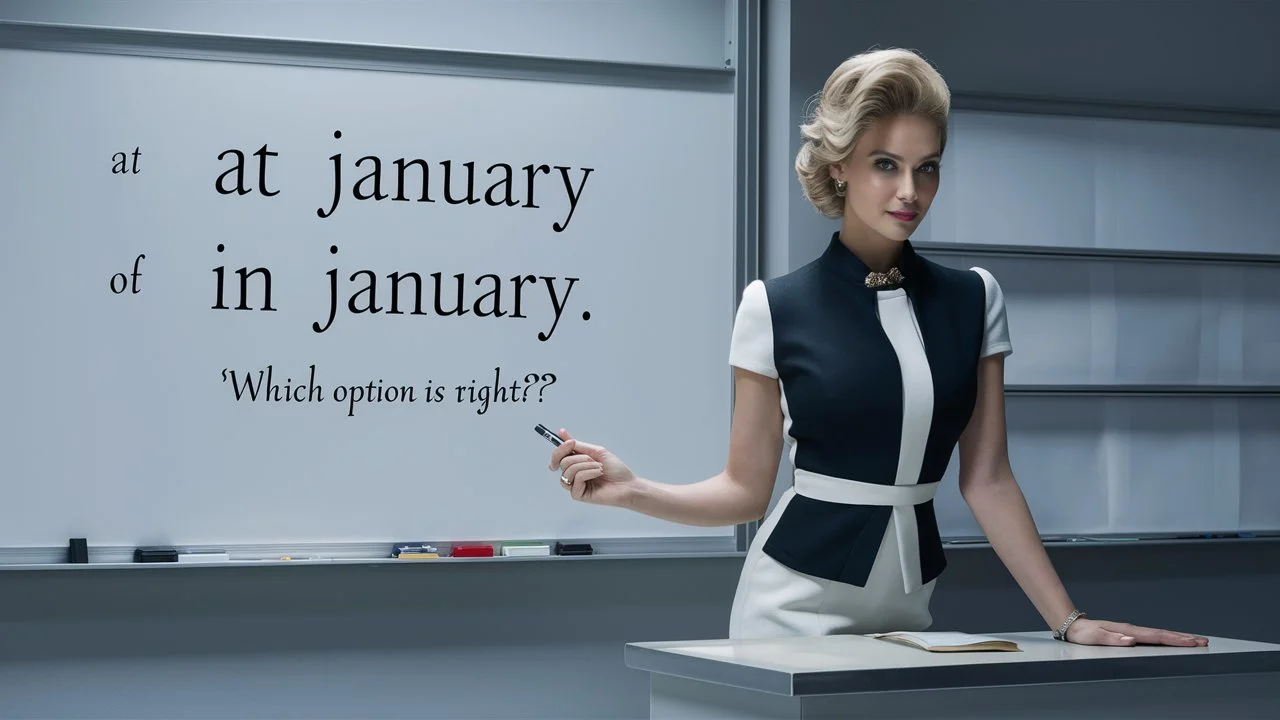
The confusion over using “at January” versus “in January” is common, but understanding the correct usage is crucial for clear and precise communication. In this … Read More

Understanding the difference between “emphasise” and “emphasize” is crucial for anyone who writes in English, whether for academic, professional, or casual purposes. These spelling variations … Read More

Understanding the correct usage of “forgot” and “forgotten” can be confusing for many. These two forms of the verb “forget” serve different grammatical functions, and … Read More