
He and I vs He and Me 🤔: Grammar Made Simple!
The choice between “He and I” and “He and Me” can be puzzling. Understanding when to use each phrase can elevate your writing and speaking, … Read More
The choice between “He and I” and “He and Me” can be puzzling. Understanding when to use each phrase can elevate your writing and speaking, … Read More
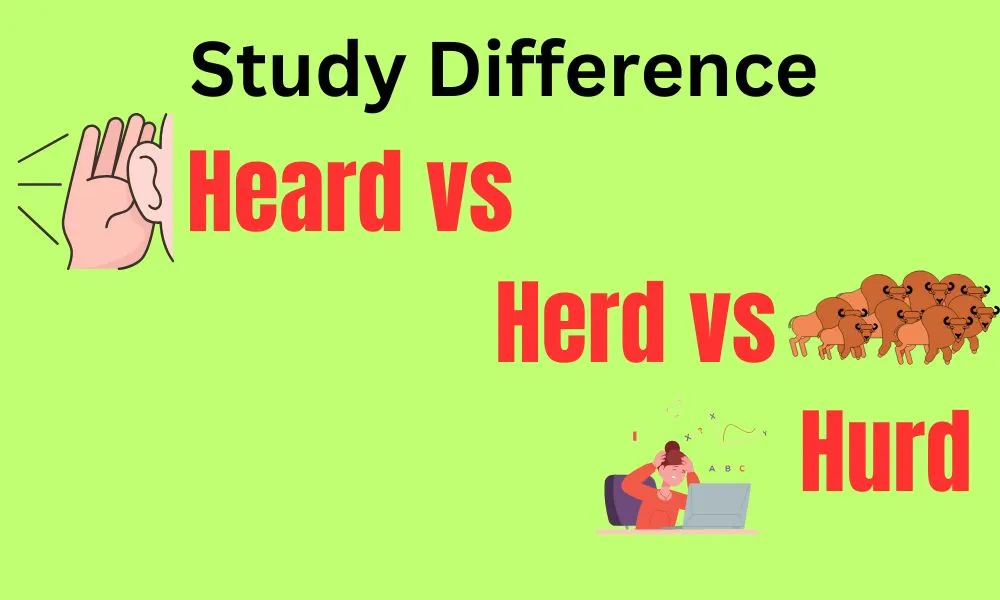
Understanding homophones is crucial for clear and accurate writing. Confusing words like “Heard,” “Herd,” and “Hurd” can lead to misunderstandings and mistakes. “Heard” is the … Read More
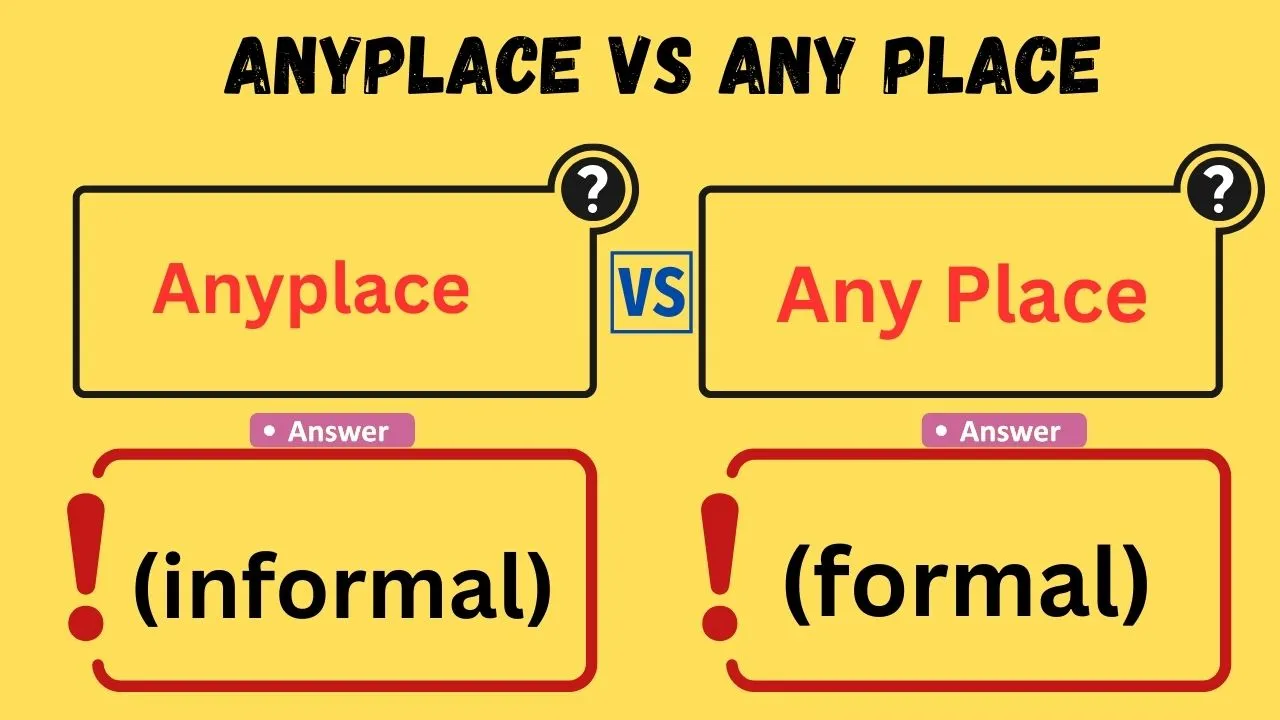
Understanding the distinction between “anyplace” and “any place” is crucial for clear and precise communication. Though they might seem interchangeable at first glance, each term … Read More
Navigating the English language can sometimes be tricky, especially when it comes to phrases like “either side” and “both sides.” Though these terms might seem … Read More
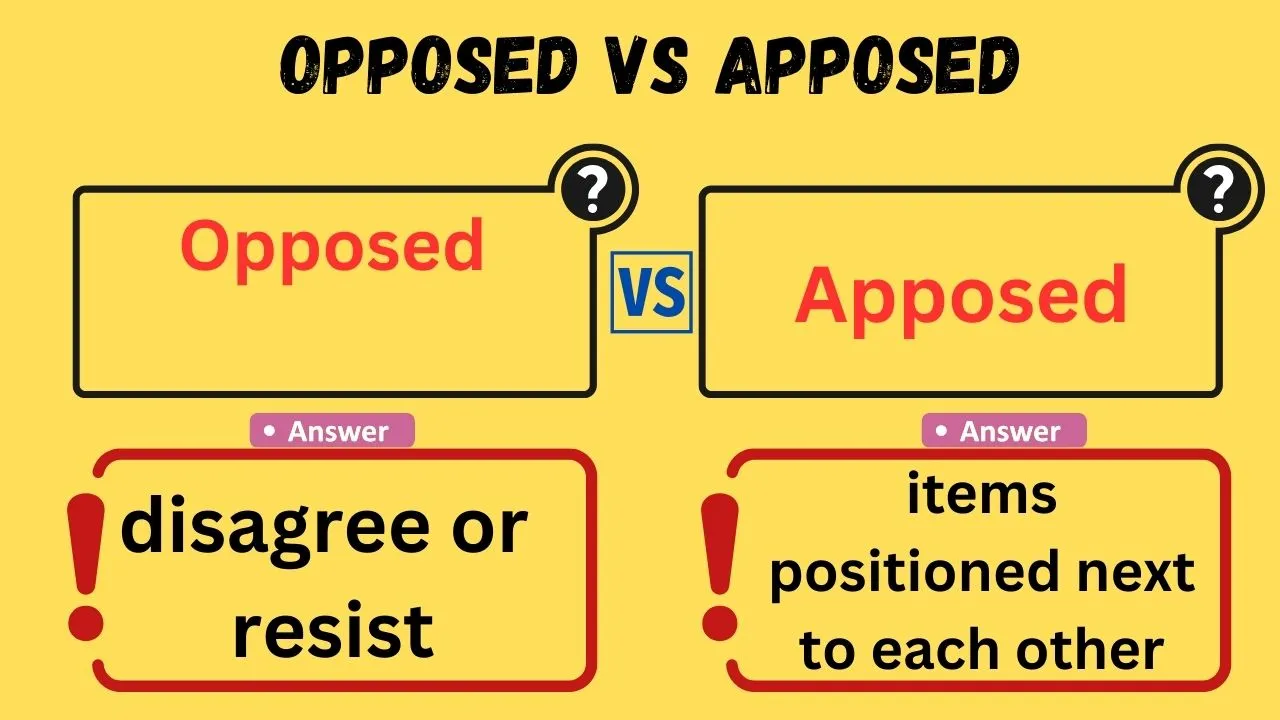
The terms “apposed” and “opposed” often cause confusion due to their similar sounds and overlapping uses in language. However, understanding their distinct meanings and correct … Read More
Understanding the nuances of English articles can significantly enhance your communication skills. This blog post will delve into the correct usage of the phrases “Go … Read More
The English language is rich with words that often perplex even the most seasoned writers. Among these are the terms “naught” and “nought.” Though they … Read More
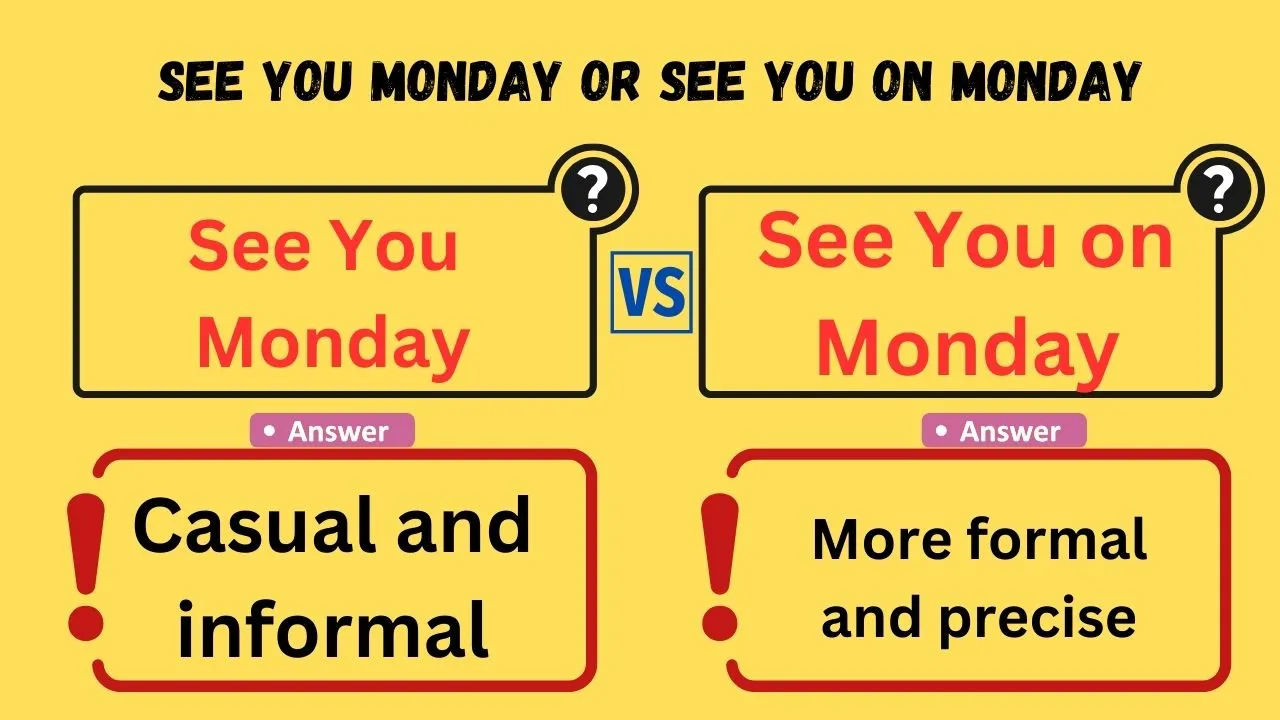
When it comes to saying goodbye, a seemingly simple phrase like “See you Monday” can sometimes leave us puzzled. Is there a difference between “See … Read More
Effective communication often hinges on the precise use of language. Words and phrases that seem similar at first glance can carry subtle differences that impact … Read More
When it comes to the English language, it’s easy to mix up words that sound similar but have completely different meanings. “Stint” and “stent” are … Read More